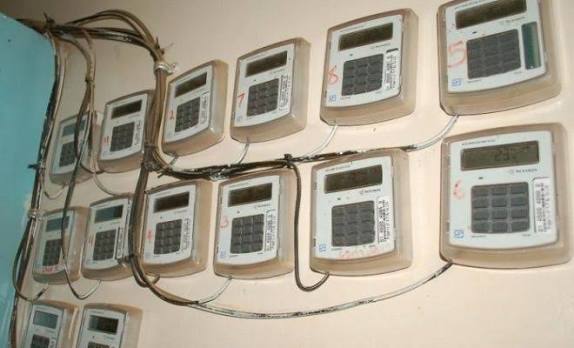

Electricity costs are no longer stable or predictable. For many businesses in Kenya, power bills fluctuate due to fuel cost adjustments, forex movements, and regulatory changes under Kenya Power and Lighting Company (KPLC).
In 2026, energy is not just an operational cost — it is a strategic risk. Solar power offers more than sustainability. It offers financial protection.
- Locks in Long-Term Energy Costs
Grid tariffs can change multiple times a year. Solar, however, is a capital investment. Once installed:
– Your cost per kilowatt-hour becomes predictable
– You are insulated from fuel price volatility
– You reduce exposure to currency fluctuations
Instead of reacting to tariff increases, you stabilize your energy budget for 20+ years.
- Reduces Monthly Operating Expenses
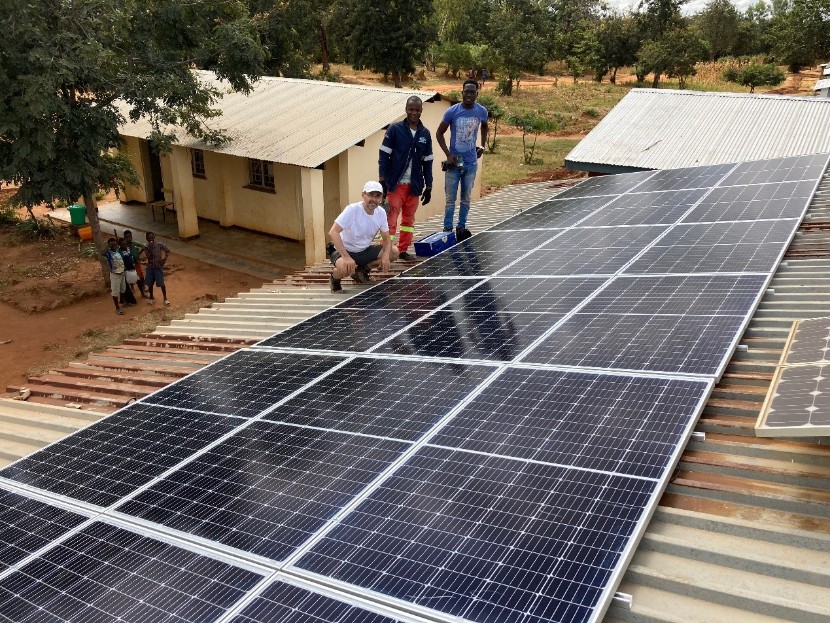
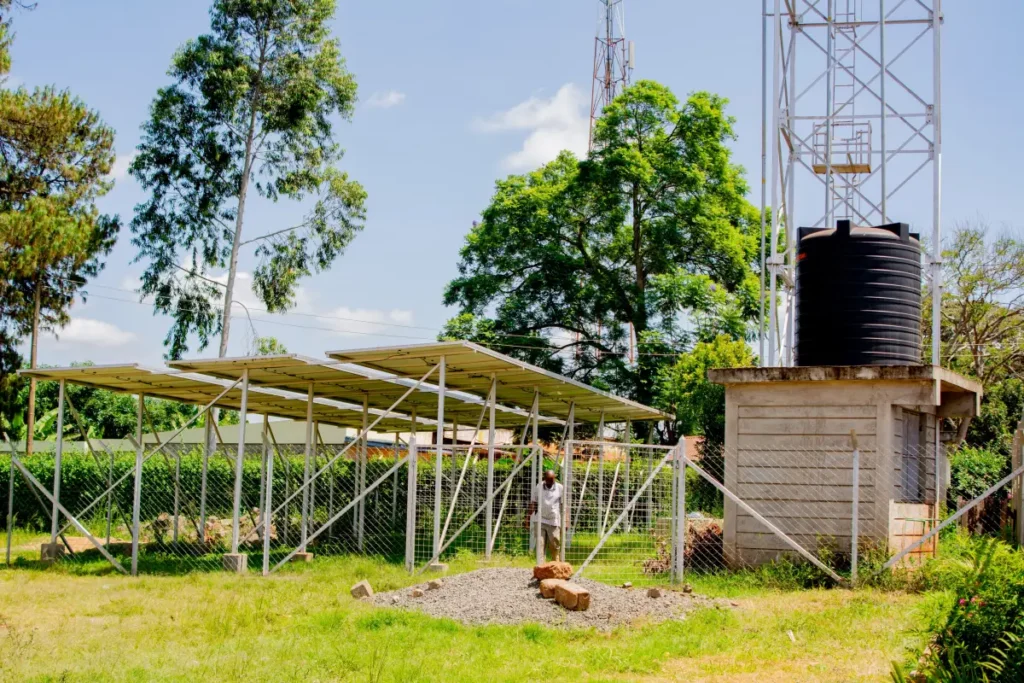
For energy-intensive businesses such as borehole water projects, irrigation farms, manufacturing facilities, commercial buildings, schools, and hospitals, solar systems can reduce grid consumption by 50–80%.
Lower grid dependence means lower exposure to tariff increases.
- Protects Profit Margins
When electricity costs rise, businesses must either absorb the cost or increase prices. Solar reduces this pressure by lowering energy expenditure and preserving margins.
- Minimizes Risk from Fuel Cost Adjustments
Part of Kenya’s electricity pricing structure includes fuel cost adjustments influenced by global oil prices and currency exchange rates. Solar energy is not tied to fuel imports.
- Improves Cash Flow Predictability
Solar allows businesses to forecast energy expenses accurately, plan capital investments confidently, and reduce emergency cost spikes.
- Enhances Energy Independence
Hybrid solar systems ensure operations continue even when grid power is unstable. Pumps, refrigeration systems, and production lines remain operational, reducing costly downtime.
- Strengthens Long-Term Asset Value
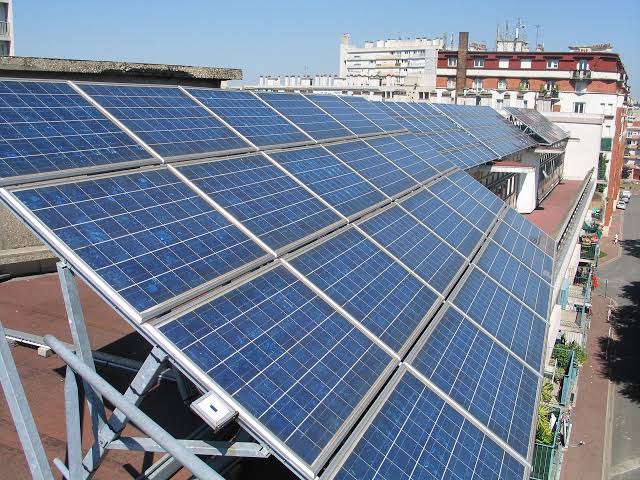
Solar installations increase property and facility value, making them more attractive to tenants, investors, and financial institutions.
- Supports ESG and Sustainability Goals
Solar reduces carbon footprint, demonstrates environmental responsibility, and aligns businesses with sustainability standards.
The Bigger Picture
Electricity pricing is influenced by fuel imports, currency volatility, infrastructure expansion, and policy changes. Solar shifts control back to your business.
Conclusion
Grid tariffs may continue rising, but your exposure to those increases is a strategic choice. Solar power reduces dependency on the grid and protects your business from unpredictable energy costs.