Does the Competency-Based Curriculum require schools to have reliable electricity? The answer is yes — not because the CBC policy document says the word ‘electricity’ on every page, but because what the curriculum actually demands is physically impossible to deliver without dependable power. Functional computer labs, science laboratory practicals, digital SBA submissions, projectors, and internet access are not optional extras under CBC. They are the curriculum. And none of them works during a blackout. This article explains exactly what CBC requires, what happens to schools that cannot power it, and what the solution looks like.
What CBC Demands That 8-4-4 Did Not
Under the old 8-4-4 system, a school needed classrooms, desks, chalkboards, and text books. Electricity was useful but not critical — schools operated on unreliable grid power for decades without failing their students in the way the system measured success. CBC changes this fundamentally. The curriculum assesses learners on seven core competencies — including digital literacy — embedded across every subject from Grade 1 to Grade 12. The Ministry of Education’s ICT policy requires schools to integrate digital tools into lesson delivery, student projects, and teacher assessments. This is not occasional use. It is a structural requirement of the curriculum design. When Grade 10 students entered Senior Secondary in January 2026, the pressure intensified. The STEM pathway — Physics, Chemistry, Biology, Computer Science, Electrical Technology — is built around powered laboratory work. The government is constructing over 1,600 laboratories to meet this demand. But a laboratory with no reliable power is not a functional laboratory. It is a room full of equipment that cannot be used.
“Electricity is no longer optional — it is infrastructure.” — Sensei College CBC Implementation Review, 2025
Five Specific CBC Requirements That Need Power
• Digital literacy: Computer labs must be on and working consistently — not just when KPLC cooperates — because digital literacy is assessed continuously, not in one exam.
• Lab practicals: STEM laboratory practicals are formally assessed under the SBA framework. Chemistry, Physics, and Computer Science practicals cannot be completed during outages.
• SBA portal submissions: SBA scores must be submitted to KNEC’s digital portal on fixed deadlines. A school without electricity on a submission day faces administrative non-compliance with real consequences for learner records.
• Digital teaching aids: Projectors and smart boards — supplied to schools by the government
as part of the CBC infrastructure drive — are useless without power. Prepared digital lessons cannot be delivered.
• Computer-based exams (2027): From 2027, KNEC plans to move toward computer-based national assessments. Schools that have not resolved their power reliability by then will be structurally unable to host these examinations.
What Actually Happens in Schools Without Reliable Power
Computer labs become ornamental. Teachers who plan digital lessons revert to chalk-and-talk when KPLC cuts supply. Students lose learning time they cannot recover, and their continuous assessment records reflect the gap — not their ability, but their school’s infrastructure. Science practicals are skipped or diluted. In schools with frequent outages, science teachers learn to avoid powered equipment. They substitute descriptions for experiments, diagrams for data. A generation of STEM pathway students risks completing the curriculum without doing the practical work it was designed around. SBA submissions are missed or late. A school that loses power near a submission deadline faces an administrative record of non-compliance. The KNEC portal does not accommodate ‘KPLC cut the power’ as an extension justification. The equity gap widens. A student at a school with solar backup who completes every digital assignment is being assessed against a student whose school loses power three times a week. The curriculum is the same. The infrastructure is not.
The Solution: Solar With Battery Storage
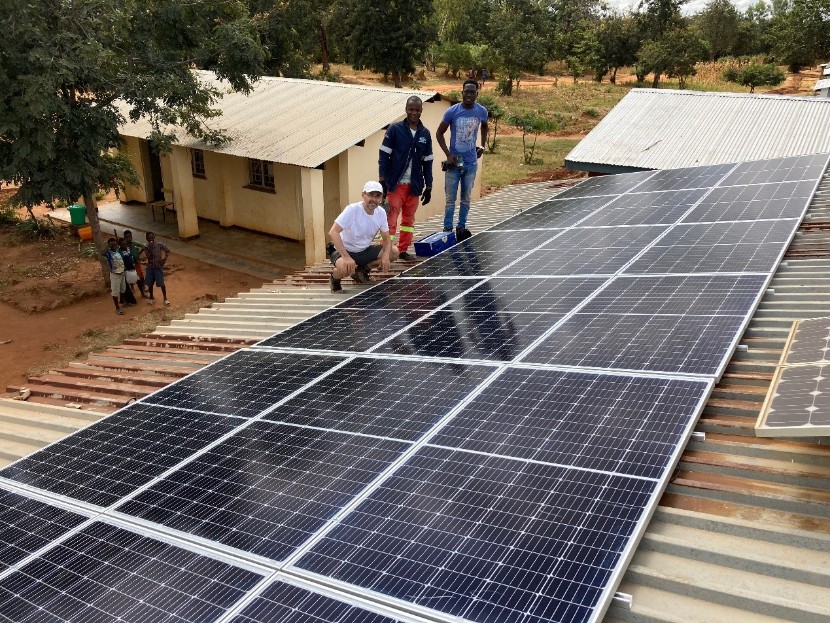
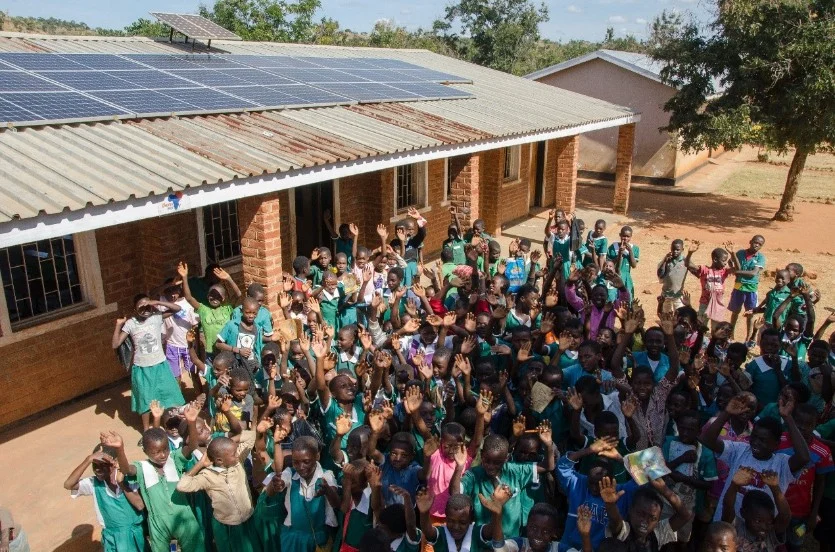
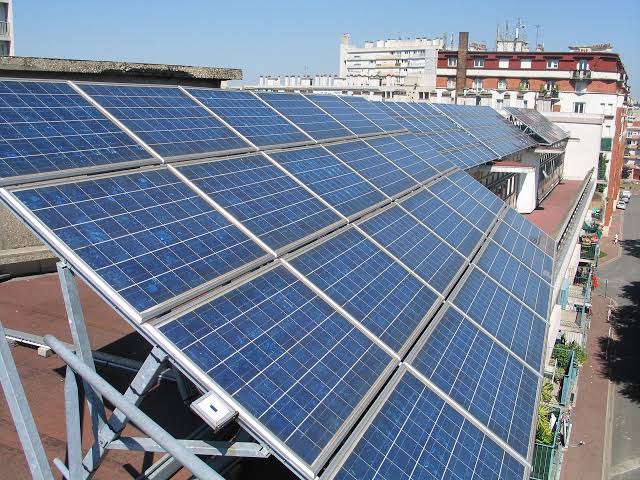
For most Kenyan schools, the path to electricity reliability runs through solar. KPLC cannot guarantee supply — not now, and not by 2027 when computer-based national assessments arrive. A hybrid solar system with battery storage can. The solar array generates electricity through the day. The battery bank stores the surplus. When KPLC cuts out — for 30 minutes or eight hours — the inverter switches automatically to battery power in milliseconds. Computer labs stay on. Laboratory equipment keeps running. The SBA portal stays accessible. CBC continues to be delivered. Friends School Kamusinga in Bungoma County installed a hybrid solar system in February 2025. Energy costs dropped by nearly 80 percent. The power disruptions that had been affecting their computer lab, dormitory study sessions, and SBA submissions disappeared. The CBC implementation problems that stemmed from electricity unreliability were solved — not managed, solved. The cost need not be a barrier. Through KCB Clean Energy financing at 9.75 percent per annum over seven years, or through lease-to-own arrangements, schools can install solar with zero upfront payment and monthly repayments that are lower than their current electricity savings. Many schools are cash-flow positive from month one.
What Waterlift Solar Savings Offers CBC-Implementing Schools
✓ Free energy audit and CBC load assessment — no obligation, no cost
✓ Hybrid solar systems eliminating KPLC outages for labs and computer rooms
✓ KCB Clean Energy financing — zero deposit, 9.75% p.a. over 7 years
✓ Lease-to-own arrangements — no upfront payment, ownership at term end
✓ EPRA-licensed engineers, 25-year panel warranties, 5-year inverter warranties
✓ Nationwide coverage — Nairobi, Central, Rift Valley, Eastern, Coast, Laikipia
The Answer Is Yes — Act Before 2027
Does CBC require reliable electricity for schools? Yes. Digital literacy, STEM practicals, SBA submissions, projector-based lessons, and the coming computer-based national assessments all
depend on power that is on when it is needed. Schools without it are delivering a compromised curriculum — and from 2027, they risk being unable to host national examinations at all. The schools thriving under CBC in 2026 are the ones that solved their electricity problem. The ones still waiting are falling behind. Start with a free energy audit. There is no obligation, no cost, and no pressure — just a clear picture of what solar would cost, what it would save, and how soon it could be installed.
Ensure your school can deliver CBC — every day, regardless of
KPLC. Book your free energy audit at waterliftsolarsavings.africa