
Climate change is no longer a distant threat.
Across Kenya, its impact is already visible through unpredictable rainfall, prolonged droughts, reduced surface water levels, and increased demand.
In this environment, groundwater has become one of the most reliable resources for securing long-term water supply.
What Is Climate Resilience in Water Systems?
Climate resilience refers to the ability of a water system to withstand and adapt to climate-related challenges such as drought and variability in rainfall.
Groundwater plays a key role by providing consistent supply even when surface sources fail.
Why Surface Water Is Becoming Less Reliable
Rivers, dams, and rainfall are increasingly affected by climate variability. Many regions experience seasonal drying, high evaporation losses, and delayed rains.
This makes surface water less dependable over time.
Groundwater as a Reliable Resource
Groundwater is stored in underground aquifers and is naturally protected from evaporation. It is less affected by short-term climate changes and is available year-round in many regions.
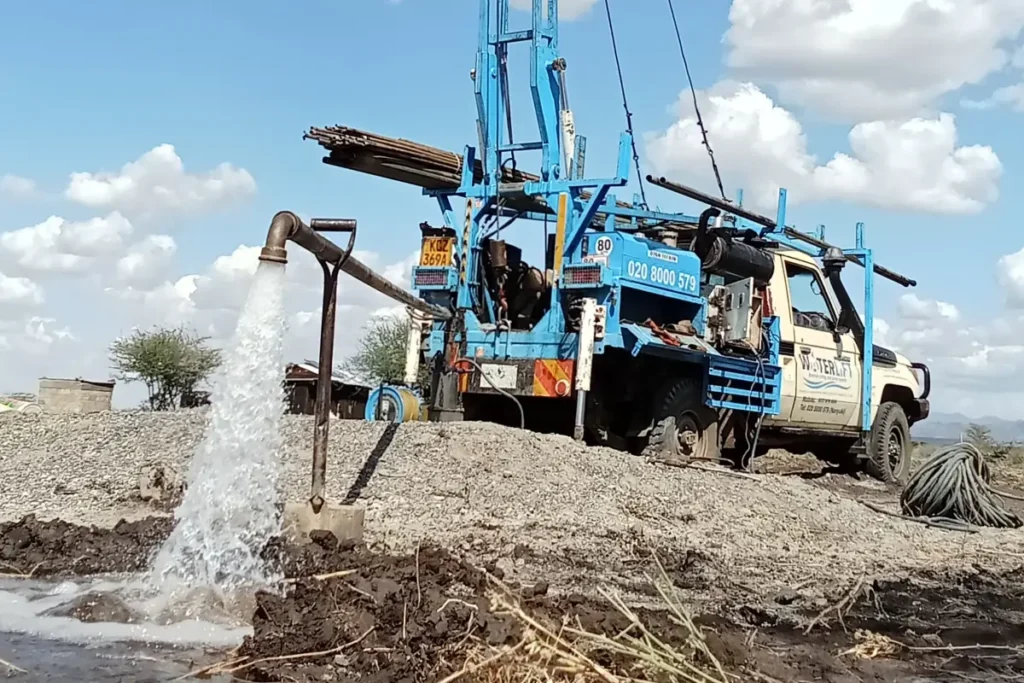
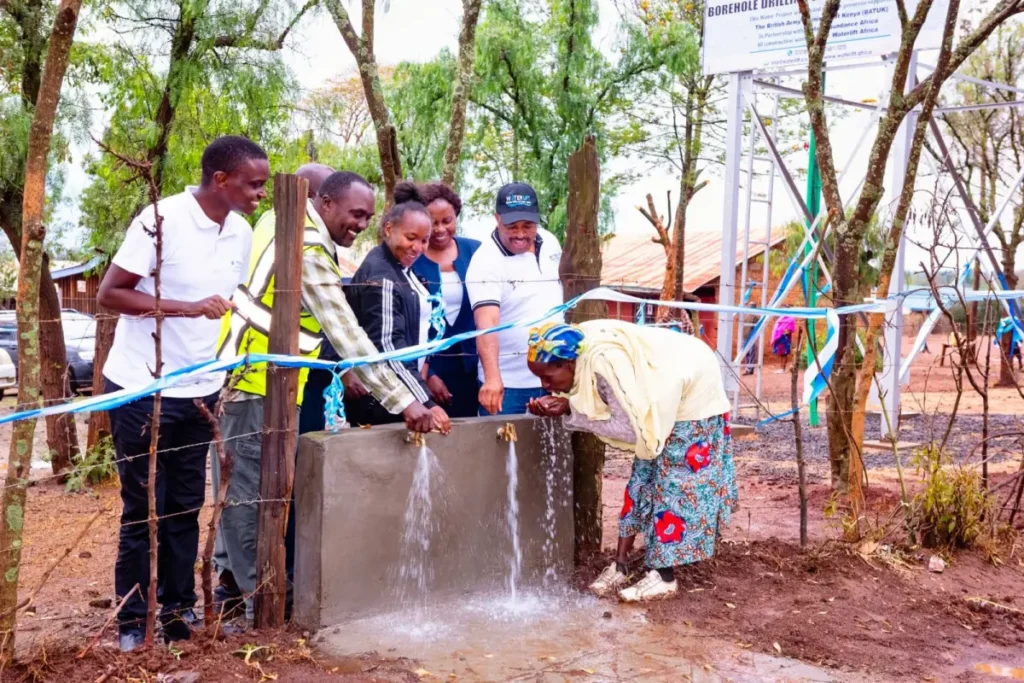
Boreholes provide access to this resource, ensuring a stable supply of water.
Benefits of Groundwater Systems
– Reliable year-round supply
– Reduced dependence on rainfall
– Support for irrigation and agriculture
– Increased water security for institutions and businesses
Sustainable Groundwater Use
Groundwater must be managed responsibly. This includes proper surveys, controlled pumping, monitoring water levels, and compliance with regulations.
Integration with Solar Systems
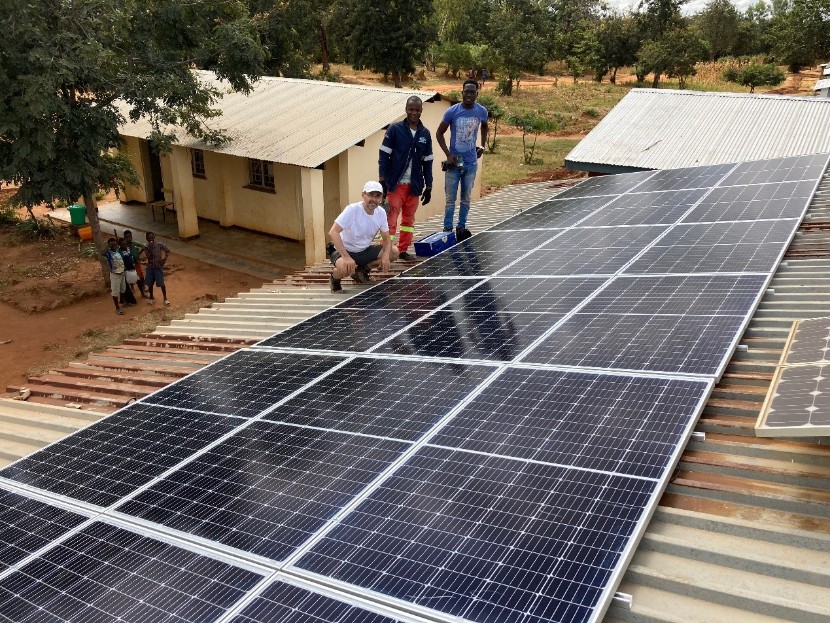
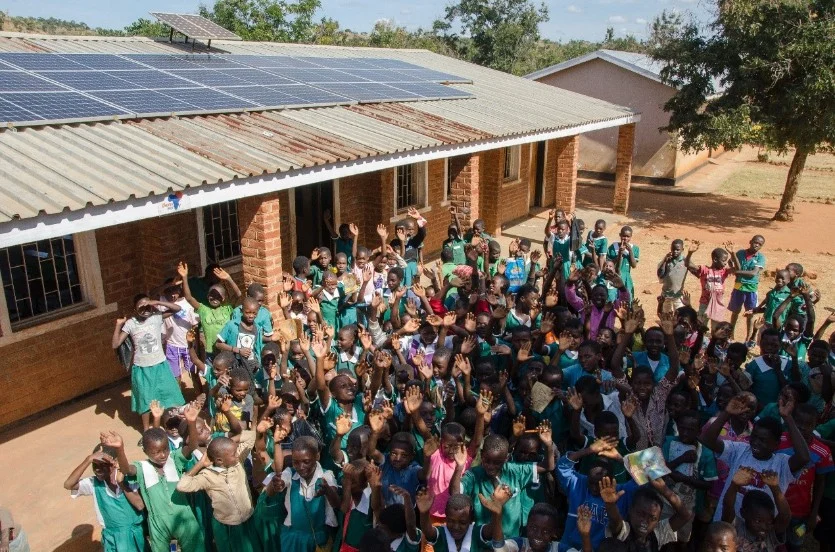
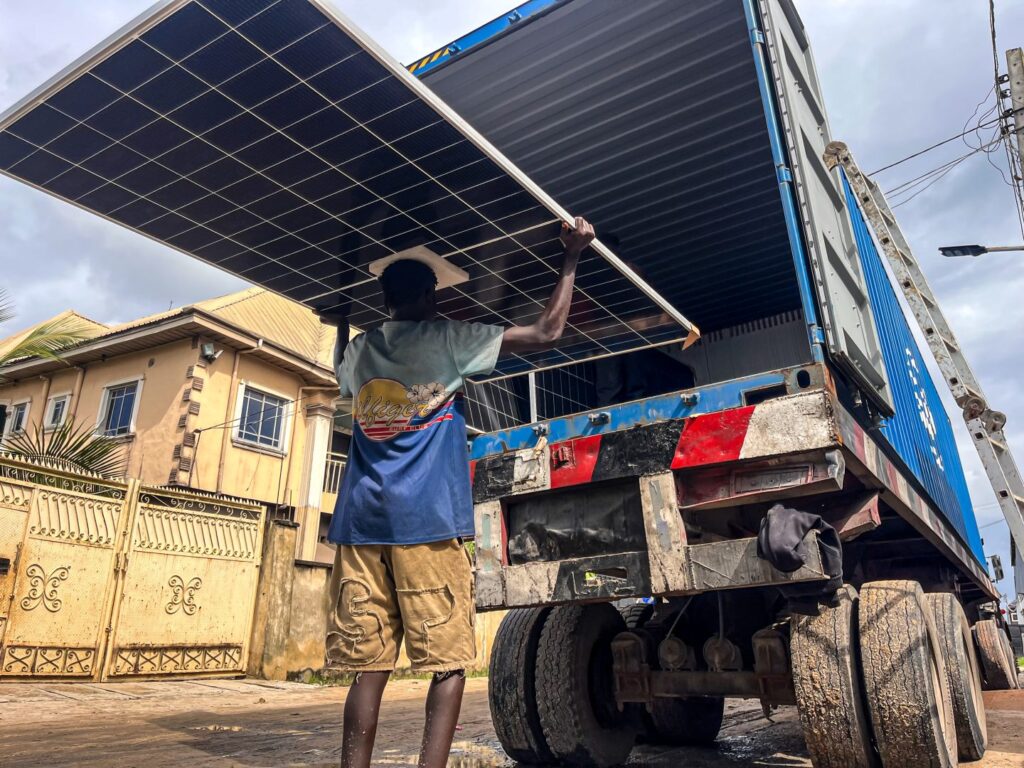
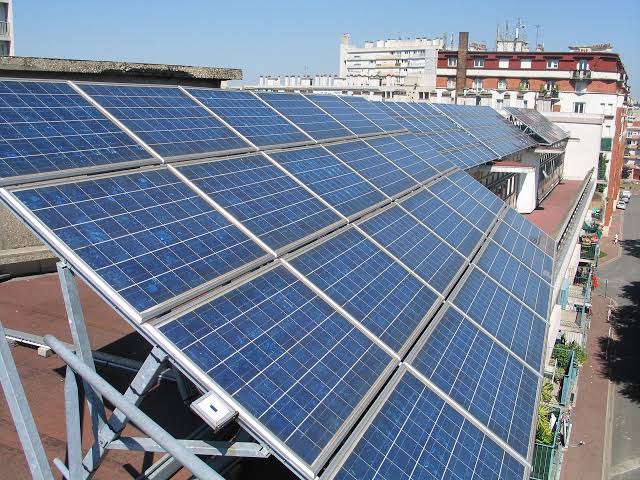
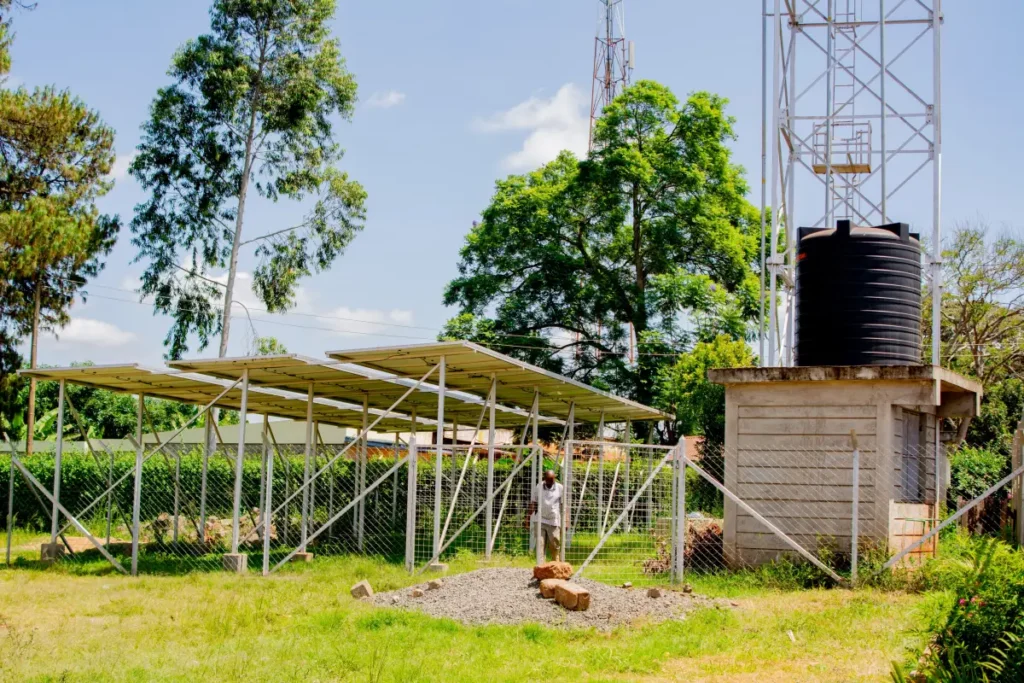
Solar-powered boreholes enhance resilience by reducing energy costs and enabling water access in off-grid areas.
Conclusion
Groundwater is a critical resource for climate resilience. With proper planning and sustainable use, it provides long-term water security for homes, farms, institutions, and communities.