
Solar has become more accessible than ever. Today, property owners can buy ready-made DIY solar kits and attempt installation without engaging a full engineering team.
At first glance, that looks like savings. But in many cases, the cheapest solar system on paper becomes the most expensive one in practice.
The real question is not just cost. It is how efficiently, safely, and reliably the system will perform over the next 10 to 20 years.
What Is a DIY Solar Kit?
A DIY solar kit is a packaged set of components for self-installation. It may include panels, inverter, batteries, mounting accessories, and basic cabling.
These kits are often marketed as affordable and simple. For small applications, they may work. However, for serious residential, commercial, or agricultural use, solar is an engineered system, not just a set of parts.
What Is Professional EPC?
EPC stands for Engineering, Procurement, and Construction.
A professional EPC contractor handles:
– Site assessment
– Load analysis
– System sizing
– Component selection
– Installation
– Testing and commissioning
– Safety compliance
– After-sales support
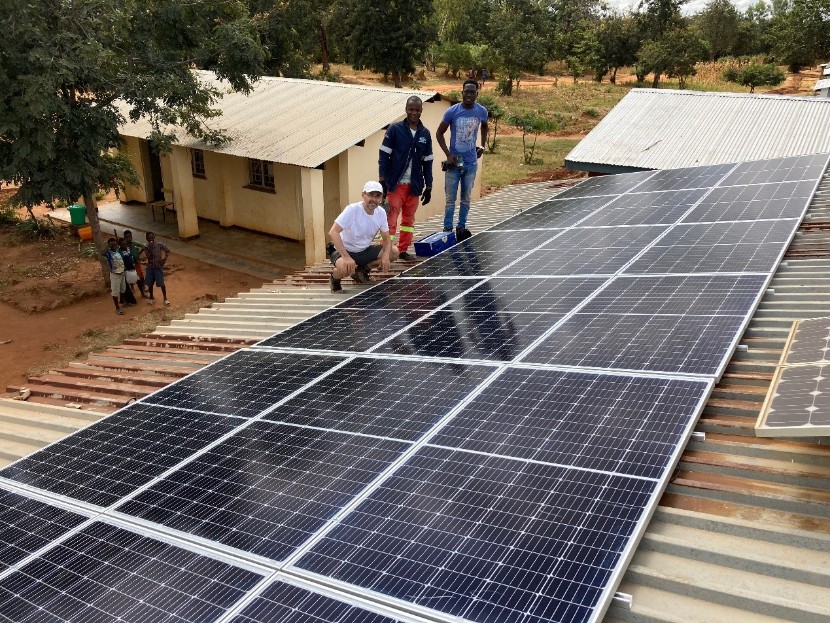
EPC focuses on delivering performance, not just supplying equipment.
Why DIY Appears Cheaper
DIY systems often seem cheaper because:
– Lower upfront cost
– Reduced labor charges
– Simplified comparison of components
However, these costs often exclude inefficiencies that appear later.
The True Cost of Inefficiency
Incorrect System Sizing
Improper sizing leads to overloads, wasted capacity, and reduced system performance.
Poor Component Matching
Incompatible components reduce efficiency and may cause system instability.
Shorter Battery Life
Incorrect charging and system design can reduce battery lifespan, leading to early replacement.
Energy Losses
Poor installation can cause losses due to shading, incorrect tilt, loose wiring, or undersized cables.
Safety Risks
Improper installations may lead to electrical faults, fire risks, or system failure.
Lack of Accountability
With DIY systems, it is often unclear who is responsible when problems arise.
Why EPC Delivers Better Value
Professional EPC systems provide:
– Higher energy yield
– Better reliability
– Longer equipment life
– Reduced maintenance risk
– Improved safety
– Technical support
Where DIY May Work
DIY kits may be suitable for small, low-risk applications such as lighting or backup systems.
However, for larger or critical systems such as homes, boreholes, farms, schools, or hospitals, professional EPC is strongly recommended.
Conclusion
Solar is not just equipment. It is long-term infrastructure.
DIY systems focus on upfront savings, while EPC systems focus on long-term performance.
The true cost of inefficiency is revealed over time through poor performance, frequent repairs, and reduced system lifespan.
A well-designed system should operate efficiently, safely, and reliably for years.