Reliable Water. Reliable Service. Reliable Life.
Borehole Drilling & Rehabilitation in Kenya
Struggling with Unreliable or Low-Yield Boreholes?
When Water Fails, Everything Slows Down
Dry taps. Low yield. Broken pumps.
Whether you’re running a home, a farm, or a business, water shortages affect everything — your productivity, your peace of mind, and your bottom line.You shouldn’t have to depend on unreliable systems or wait for municipal supply.
You need a solution that works — year after year.
Kenya's Trusted Borehole Experts
For over a decade, Waterlift Solar Limited has drilled and rehabilitated hundreds of boreholes across 40 counties. Our team of hydrogeologists, engineers, and solar technicians delivers efficient, end-to-end solutions — combining modern technology with sustainable water management.
300+
Boreholes
40+
Counties
20M+
People Served
98%
Client Satisfaction
We don’t just drill boreholes — we secure your water future.
How to Get Reliable Water — Without the Stress
1
Site Survey & Assessment
We visit your site, evaluate groundwater potential, and identify the optimal drilling location.
2
Drilling & Pump Installation
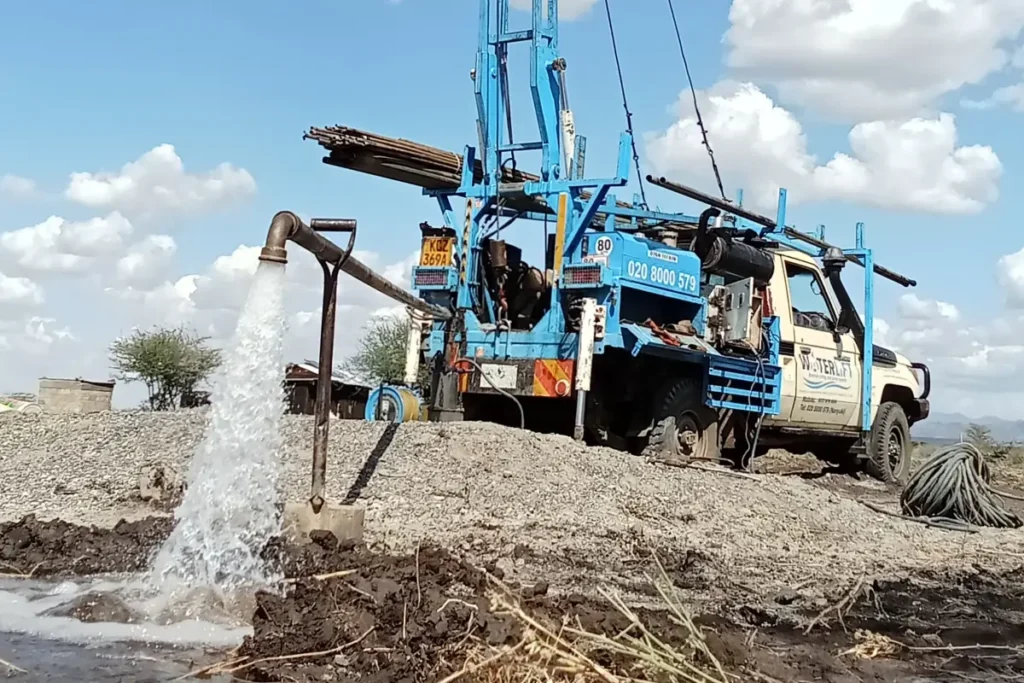
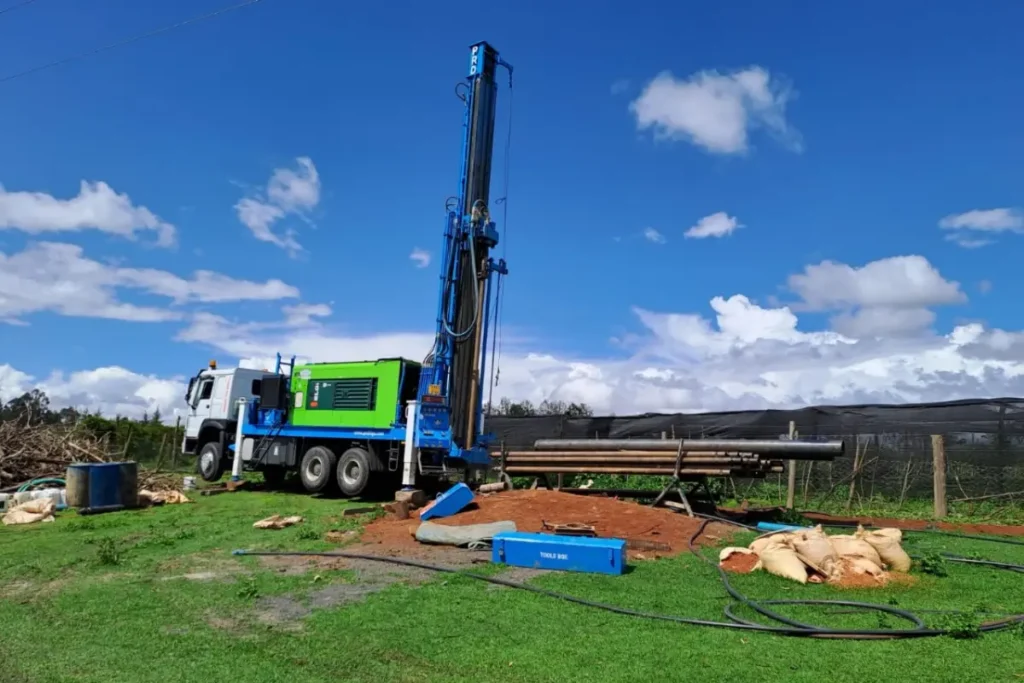
Using rotary and Down-the-Hole (DTH) methods, we drill and install durable submersible pumps — solar or electric.
3
Maintenance & Optimization
We provide ongoing servicing, cleaning, and upgrades to ensure long-term efficiency and steady flow.
Our Borehole Solutions
Tested. Proven. Sustainable.
Why Hundreds Trust Waterlift Solar Limited
Lower water and energy costs
Environmentally sustainable
Continuous supply even in dry seasons
Increased property value
Long system lifespan (15–25 years)
Works perfectly off-grid
When you choose Waterlift Solar Limited, you’re choosing peace of mind.
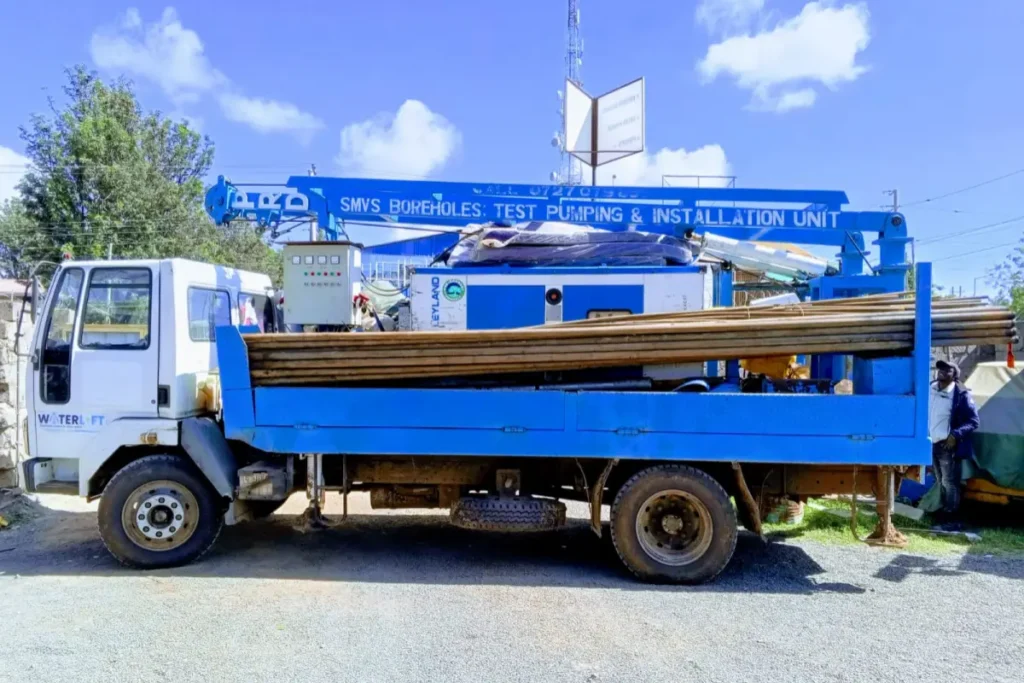
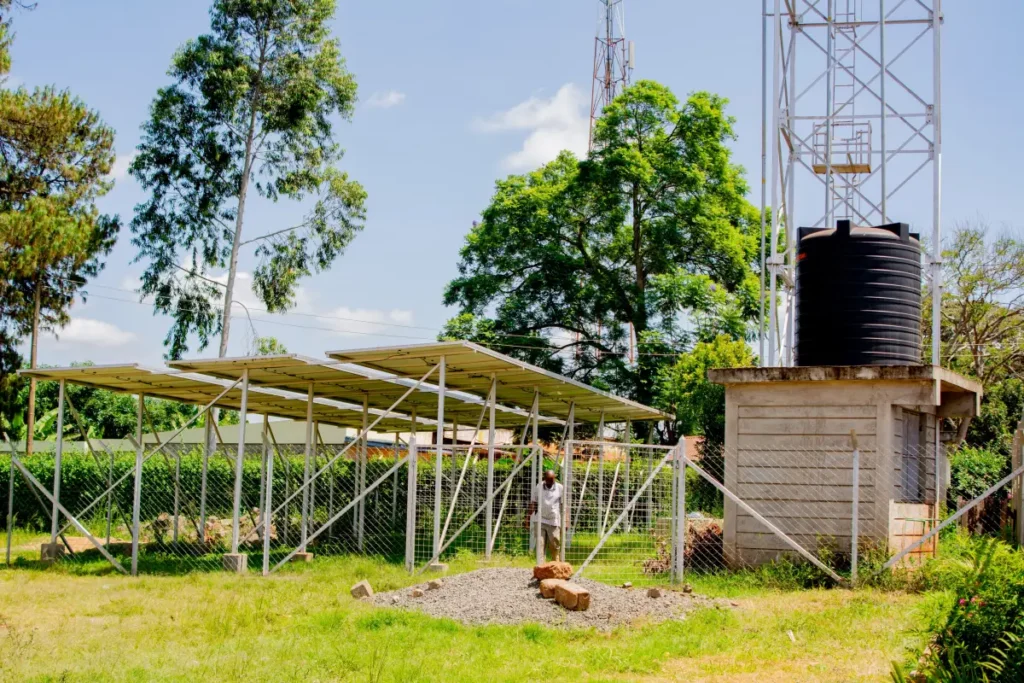
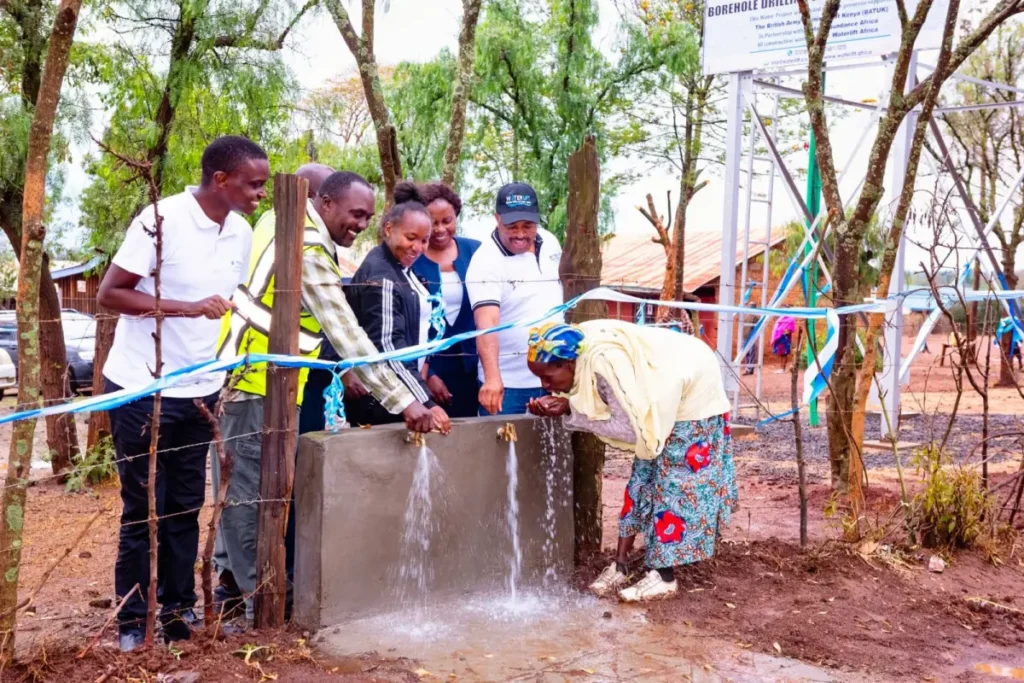
Recent Projects
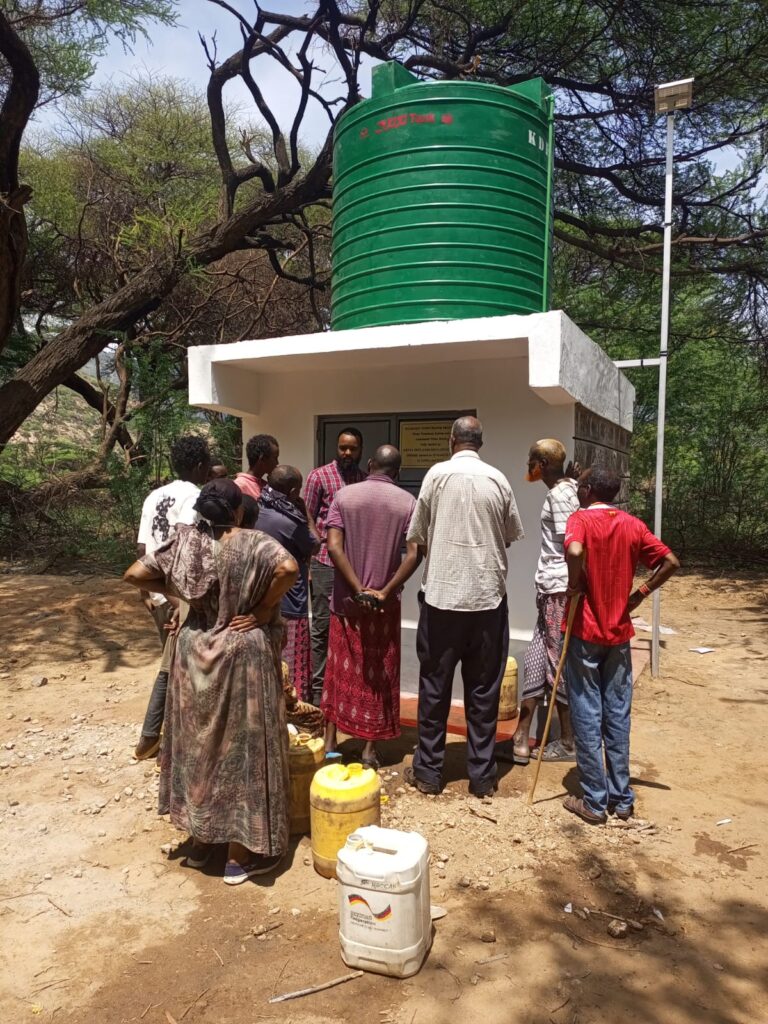
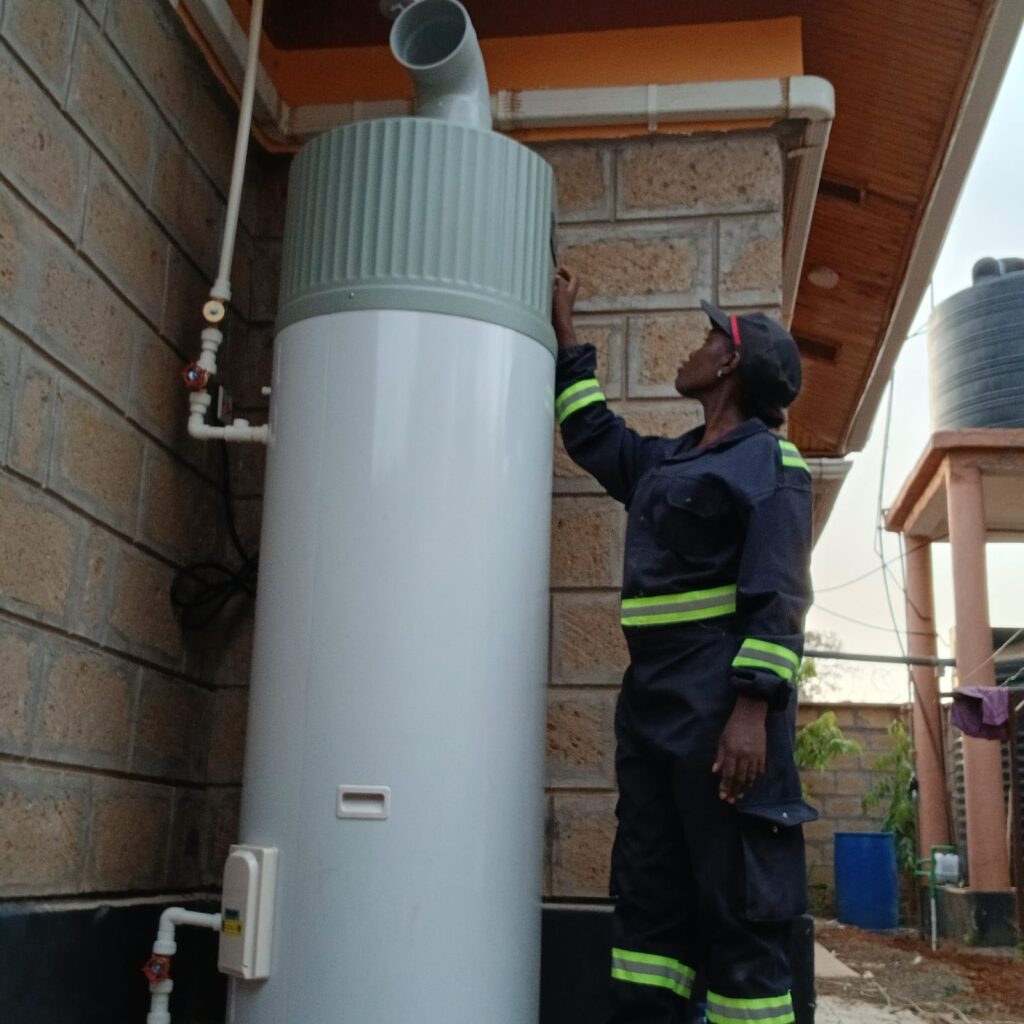
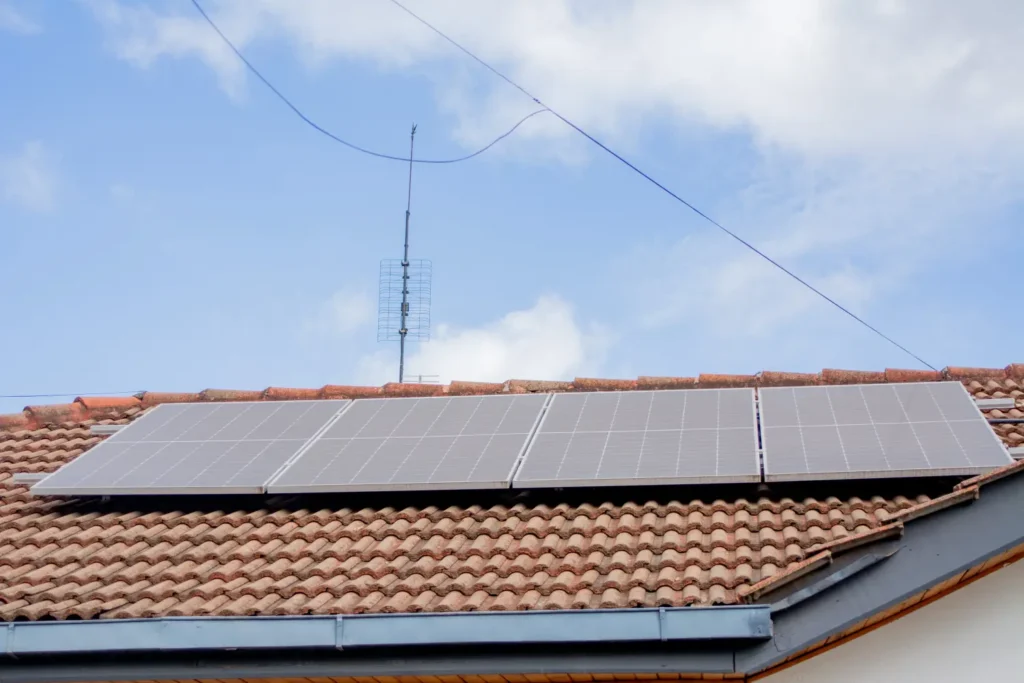
Boreholes FAQs
Frequently Asked Questions About Borehole Drilling
A borehole is a narrow shaft drilled into the ground to extract groundwater. In Kenya, especially in areas like Nairobi and Machakos County, a borehole provides a reliable, independent, and cost-effective source of water, reducing reliance on municipal supplies and offering long-term water security for residential, agricultural, or commercial use.
Borehole depths in Kenya typically range from 50 to 300 meters, depending on the local hydrogeological conditions of your specific site. Our expert surveys determine the optimal depth. Water yields can vary from 1,000 to 20,000+ liters per hour, ensuring ample supply for most needs.
We utilize advanced drilling techniques, including rotary drilling and DTH (Down the Hole) drilling. These methods are selected based on the geological characteristics of your site to ensure efficient and precise borehole construction.
We install high-quality, durable submersible pumps to ensure efficient water delivery. Yes, we offer both reliable electric pumps and environmentally friendly solar-powered pump options, providing flexibility and energy savings for your water system.
With proper installation and maintenance, a borehole drilled by Waterlift is designed for exceptional longevity, typically providing reliable water for 15 to 25 years, or even longer. This makes it a significant, long-term investment.
Our end-to-end service includes everything from initial site hydrogeological surveys to identify the best drilling spots, the drilling process itself, pump installation, full borehole equipping, water quality testing to ensure safety, and ongoing long-term maintenance support.
After drilling and equipping, we conduct thorough water quality testing to ensure the water meets safety standards. If any treatment is required, we can advise on appropriate solutions to ensure your water is clean and safe for its intended use.
While there’s an initial investment, a borehole offers significant long-term cost savings by eliminating monthly municipal water bills. It provides a more cost-effective and reliable alternative, especially for high-volume users like agriculture and industry in Kenya.
Yes, we provide comprehensive long-term maintenance support to ensure your borehole continues to operate efficiently and reliably for decades. Regular maintenance helps prevent issues and extends the lifespan of your investment.
Getting started is easy! Contact us today to schedule a site survey in Nairobi, Machakos County, or your specific location in Kenya. Our experts will assess your needs and guide you through every step of the process.
The total cost varies depending on site-specific conditions and client requirements. It typically includes hydrogeological survey, drilling, casing, gravel packing, test pumping, pump and tank installation, as well as optional solarization and water treatment systems. A detailed quotation is provided after initial site evaluation.
Yes, a hydrogeological survey is conducted to determine the most viable drilling point. While the survey significantly improves the success rate by identifying promising groundwater zones, water yield is subject to geological conditions and cannot be 100% guaranteed
Drilling depth is determined by the hydrogeological survey findings, which assess the depth at which viable aquifers are located. Other factors include intended usage, regional geology and water table depth.
We offer both electric and solar-powered submersible pumps. The choice depends on power availability, user preference, and cost-efficiency. Solar pumps are particularly recommended for off-grid or cost-conscious projects due to long-term savings and reliability
Yes, test pumping includes water quality analysis to check chemical and biological parameters. This ensures the water is safe and informs any need for treatment systems.
Yes, we guide and support clients through the permitting process including documentation and liaison with authorities such as NEMA, WRMA and WRUA to ensure compliance.
Absolutely. With proper siting, construction, and equipping, a borehole can reliably meet the water demands of a school. We ensure optimal design and system scalability based on projected usage.
We provide scheduled maintenance services customized to the system’s usage and specifications. This typically includes inspections, pump servicing, cleaning and repairs to ensure continuous operation and longevity.
Yes, after-sales support is part of our commitment. This includes routine check-ups, technical support, and quick-response services in case of faults or concerns
Like all groundwater systems, boreholes carry some risk—primarily drying due to overextraction or seasonal variation, and contamination from surface activities. However, our site assessments, construction standards, and optional water treatment solutions help mitigate
these risks.
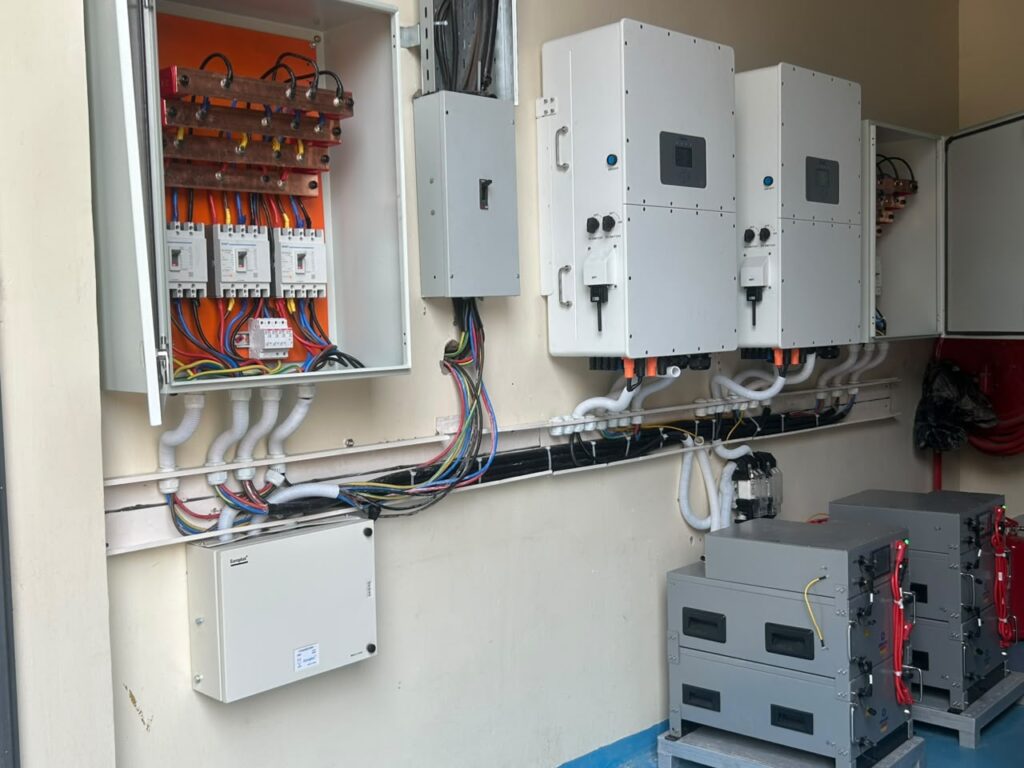
The total cost for solar installation depends on the size of the system which is dependent on the number of appliances. The size is determined energy audit. Typically it varies from as low as Ksh. 140k for 2kva systems. The amount is inclusive of equipment, installation cost as well as free maintenance for the first 6 months
The average savings for back up systems is 50% and over 70% on grid tied systems which work well for industries that work typically during the day
- Solar panels have lifespans of upto 30 years before their efficiency starts to drop. Our panels have product warranty of 15 years.
- Our Lithium batteries have 6000 cycles meaning they can be charged and discharged 6000 times before their efficiency starts to decline. That means over 16 years, assuming daily charging and discharging. The product warranty is 10 years.
- Inverters- These are equipment used to convert DC to AC power. They have product warranty of 2-5 years
- Heat pumps- These are high efficient pumps that have compressors and consumes 75% less of energy to heat unit amount of water. they have warranty of 1-2 years
Waterlift Solar gives a full workmanship period of 6 months. After that, we offer service agreement, mutually agreed between Waterlift and the client.
Our panels are high efficient monocrystalline, and thus they do not need to have full direct sunlight and can work on cloudy days.
Yes. For projects that require permits, Waterlift Solar is there to assist to get the client the appropriate permits or documentations as they may be required by EPRA
The average systems required by schools ranges from 3Kva TO 25Kva for big schools. As such, our well designed solar systems are capable to fully power schools. However, we typically recommend isolating instant showers from the solar system and substituting with efficient heat pumps.
Our solar installation is done with safety being a major consideration. The systems are safe for students. Necessary precautions are included, including fencing off of the solar stuctures, mounting panels on the roofs as well as having a lockable power house.
Typically, our installation are completed between 2-7 days depending on the complexity.