The Complete, Honest Answer for Kenyan Schools in 2026
If you have looked into solar for your school or business, you have probably seen the phrase “zero upfront cost.”
It is natural to be sceptical.
Solar systems can cost hundreds of thousands — sometimes millions — of shillings. So how can a school get a complete solar system with no deposit and no advance payment?
The answer is simple:
Yes, zero upfront solar is real.
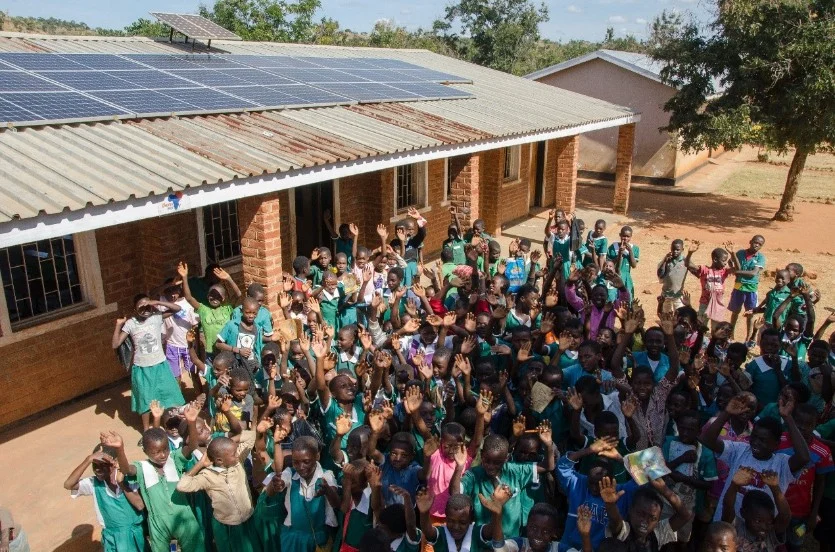
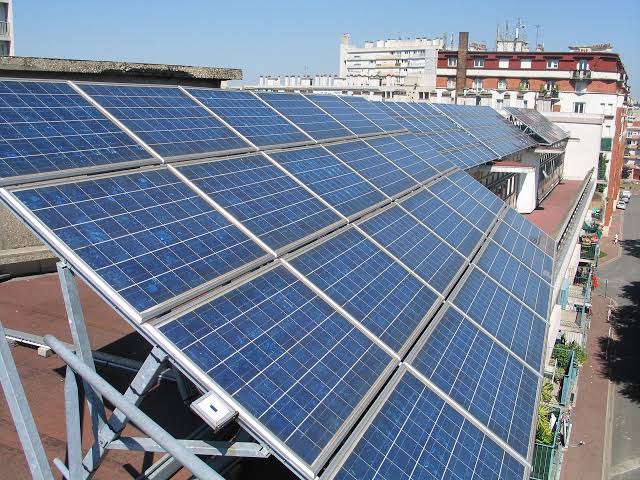
In Kenya in 2026, there are legitimate financing models that can allow qualifying schools to install solar and begin generating savings without paying the full system cost upfront.
But zero upfront does not mean zero cost.
It also does not mean every offer in the market is a good one.
This guide explains how zero upfront solar works, what it costs over time, what your school may need to qualify, and the red flags to watch for before signing.
Why Zero Upfront Solar Exists
The logic behind solar financing is straightforward.
A school that reduces its electricity bill substantially after installing solar creates monthly savings that can help service the financing cost.
Instead of continuing to spend the full amount on KPLC every month, part of that previous electricity expenditure can be redirected towards paying for the solar system.
Solar financing is also backed by:
- A physical energy asset
- Verifiable electricity consumption
- Predictable energy savings
- Long-term operating benefits
This creates an alignment of interests between the school, lender and installer.
“By fully financing solar installations, we are enabling schools to transition to sustainable energy without the burden of upfront capital.”
— Eric Naivasha, KCB Head of Sustainable Finance
The Three Main Models
There are three main routes schools may use to access solar without a large upfront payment.
1. KCB Clean Energy Financing
Under this model, KCB finances the solar project for qualifying schools.
The bank can disburse the project funds directly to the installer, while the school makes agreed monthly repayments.
Potential features may include:
- Zero or low deposit for qualifying schools
- Financing spread over several years
- Fixed monthly repayments
- Solar ownership by the school
- Financing based on the school’s eligibility and financial assessment
The key financial goal is to structure the system so that the school’s monthly repayment plus residual KPLC bill is lower than the previous electricity bill.
If that happens, the school begins improving its cash flow from the start.
2. Lease-to-Own
Under a lease-to-own arrangement, the solar provider or financing partner funds and installs the solar system.
The school then pays an agreed monthly amount over a fixed period.
At the end of the lease term, ownership of the system transfers to the school subject to the agreed contract terms.
Lease-to-own can be attractive because:
- A large upfront payment may not be required.
- Monthly payments are predictable.
- Maintenance may be included during the lease period.
- Documentation can sometimes be simpler than traditional bank financing.
- The school ultimately owns the system.
This model can suit schools that want to move to solar but prefer not to take a conventional bank loan.
3. Government Solarisation Programmes
Public schools may also qualify for national or county-level solarisation programmes.
Where such programmes are active, schools should engage with their education offices and relevant government agencies to confirm:
- Eligibility
- Application requirements
- Funding structure
- Current rollout areas
- Implementation timelines
Public schools should always verify programme details through official government channels before making commitments.
Comparing the Main Financing Options
| Factor | KCB Financing | Lease-to-Own | Government Programme |
|---|---|---|---|
| Upfront cost | Potentially zero for qualifying schools | Potentially zero | Usually subsidised or programme-based |
| Who finances | Bank | Solar provider / financing partner | Government / financing partners |
| Monthly payment | Loan repayment | Fixed lease payment | Depends on programme |
| Maintenance | Depends on agreement | Often included | Depends on programme |
| Ownership | Usually from installation, subject to financing terms | At end of lease | Depends on programme |
| Best suited for | Established qualifying schools | Schools seeking flexible financing | Eligible public schools |
Do the Numbers Actually Work?
Consider a boarding school with approximately 450 students currently paying:
KSh 130,000 per month to KPLC
Suppose the school installs a hybrid solar system costing:
KSh 3.5 million
An illustrative financing scenario might look like this:
| Item | Estimated Amount |
|---|---|
| Current KPLC bill | KSh 130,000/month |
| Solar system cost | KSh 3,500,000 |
| Estimated monthly financing repayment | KSh 54,000–58,000 |
| Residual KPLC bill after solar | KSh 18,000–22,000 |
| Total monthly outgoing after solar | KSh 72,000–80,000 |
| Potential monthly saving | KSh 50,000–58,000 |
Before solar:
KSh 130,000 per month
After solar and financing:
Approximately KSh 72,000–80,000 per month
Potential saving from the first month:
Approximately KSh 50,000–58,000
Once the financing is fully repaid, the monthly loan repayment disappears while the solar system continues generating electricity.
That is where the long-term financial benefit becomes much larger.
One Important Caveat
Not every school will immediately achieve positive cash flow under every financing structure.
If your monthly electricity bill is relatively low, the financing repayment may initially be close to or even higher than the savings generated.
That is why the first step should always be:
A professional energy audit.
The energy audit should determine:
- Your actual electricity consumption
- Your daytime and night-time load
- Appropriate system size
- Battery requirements
- Expected residual KPLC consumption
- Expected monthly savings
- Financing repayment
- Payback period
Be cautious of any company that promises specific savings before reviewing your actual electricity bills.
Zero Upfront Does Not Mean Zero Cost
A zero-deposit arrangement still has a total cost over time.
Before signing, your school should understand the full financial picture.
1. Interest and Financing Costs
Bank-financed systems include interest.
Do not evaluate the offer based only on the monthly repayment.
Ask to see:
- Principal amount
- Interest rate
- Loan term
- Monthly repayment
- Total interest payable
- Total amount paid over the full term
The most important comparison is not simply the loan cost.
It is:
Total solar cost versus the electricity expenditure avoided over the same period.
2. Insurance
Some financing arrangements require the solar installation to be insured.
This is reasonable for a valuable energy asset, but it should be disclosed before the agreement is signed.
Ask whether insurance is:
- Included in the financing
- Paid separately by the school
- Required annually
- Included in the monthly repayment
3. Battery Replacement
Solar panels and batteries have very different lifespans.
Solar panels can operate for decades.
Batteries have a shorter service life and their eventual replacement should be included in the school’s long-term financial planning.
When reviewing a proposal, ask:
- What battery technology is being supplied?
- What is the expected cycle life?
- What is the warranty period?
- What usable capacity is guaranteed?
- What would replacement cost?
- Is replacement included in the financing agreement?
Lithium battery systems generally offer longer cycle life and lower maintenance requirements than traditional lead-acid systems.
A responsible proposal should make battery assumptions clear from the beginning.
Red Flags — When “Zero Upfront” Is Not What It Seems
Walk away or seek further clarification if any of the following applies:
⚠ A proposal is provided without reviewing your KPLC bills or conducting a proper site assessment.
⚠ The system specification does not identify the brands and models of the panels, inverter and batteries.
⚠ The contract does not clearly explain ownership and when ownership transfers.
⚠ The installer cannot provide relevant licensing or verifiable project references.
⚠ The company shows only the monthly payment but refuses to show the total cost over the full financing period.
⚠ You are pressured to sign quickly because the financing is supposedly available for a “limited time only.”
⚠ Battery lifespan and future replacement costs are not disclosed.
⚠ There is no written warranty or after-sales support structure.
⚠ The contract does not explain what happens if the solar system underperforms.
⚠ The financing terms are different from what was initially communicated verbally.
A professional solar provider should be willing to answer these questions in writing before asking your school to sign an agreement.
Questions to Ask Before Signing
Before your board approves a zero upfront solar arrangement, ask:
- What is the total system price?
- What is the monthly repayment?
- What is the total amount payable over the full financing term?
- What interest or financing charges apply?
- Are there any application, insurance or administration fees?
- How much of our current KPLC bill will remain after solar?
- What assumptions were used to calculate the savings?
- Who owns the system during the financing period?
- When does ownership transfer?
- Who is responsible for maintenance?
- What happens if the inverter or batteries fail?
- What warranties are provided?
- Is remote monitoring included?
- Can we speak to schools already using the same financing model?
- What happens if the school wants to repay early?
If the answers are clear, documented and financially sensible, the school can make an informed decision.
What Waterlift Solar Offers Schools
✓ Free school energy audit — we review your electricity bills and assess your site.
✓ System design based on your actual load — not a generic package.
✓ Clear financial projections showing estimated electricity savings and financing costs.
✓ KCB Clean Energy financing assistance for qualifying schools.
✓ Lease-to-own arrangements with clearly defined repayment and ownership terms.
✓ Hybrid solar systems with battery backup.
✓ Lithium battery solutions.
✓ Named equipment specifications and written warranties.
✓ Remote monitoring so system performance can be tracked.
✓ Professional installation and after-sales support.
✓ Nationwide project support.
The Answer Is Yes — But Understand the Agreement
Zero upfront solar is real.
A qualifying school can install a complete solar system without paying the entire purchase price before installation.
The school then repays the project gradually through an agreed financing or lease structure.
When the system is properly designed, the electricity savings can offset a substantial part of the monthly repayment.
The important point is not simply that the offer says “zero upfront.”
The important questions are:
What will the school pay each month?
What will it pay over the full term?
How much KPLC expenditure will remain?
Who owns the system?
What equipment is being installed?
What happens if something fails?
And does the financial case still make sense after every cost is included?
A trustworthy solar provider should welcome these questions.
If upfront capital has been the main reason your school has delayed going solar, financing may remove that barrier.
Start with an energy audit.
Get the numbers.
Review the financing.
Then make the decision from a position of clarity.
Zero Upfront Solar for Your School
Book your free school energy audit today.
Waterlift Solar Limited
Kenafric Business Park, Baba Dogo, Nairobi
Branch: Nanyuki