Reliable energy is essential for schools and hospitals. In schools, electricity powers learning, digital tools, and water systems. In hospitals, it supports life-saving equipment, refrigeration, lighting, and critical care operations.
Across Kenya, many institutions face unreliable grid supply, rising electricity costs, dependence on diesel generators, and limited budgets. In 2026, solar energy is not just a cost-saving tool — it is a resilience strategy.
Why Energy Resilience Matters
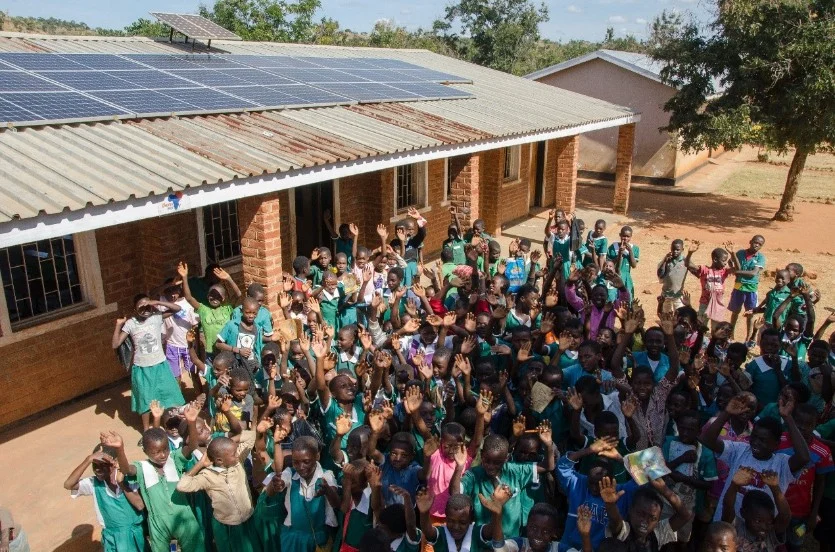
In Schools:
– Disruptions affect learning
– Limits access to digital education
– Affects water systems
– Reduces efficiency
In Hospitals:
– Risks patient safety
– Interrupts procedures
– Compromises vaccine storage
– Increases diesel reliance
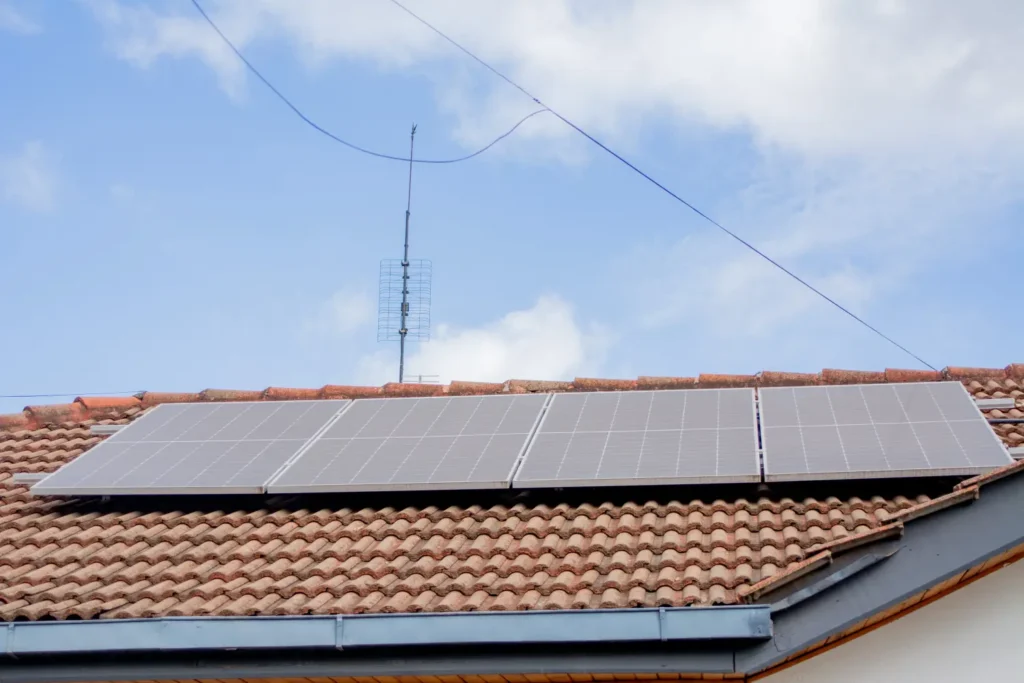
What a Solar System Includes
A typical system includes:
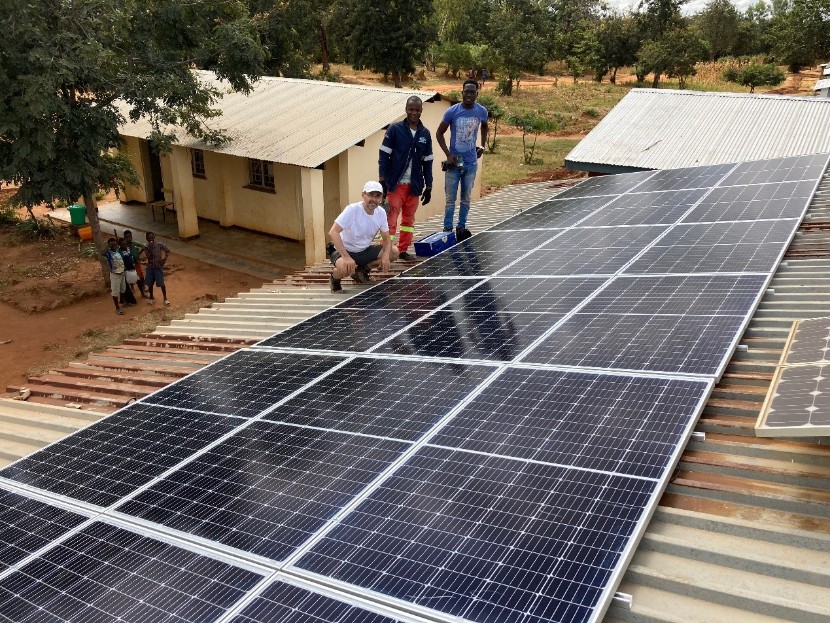
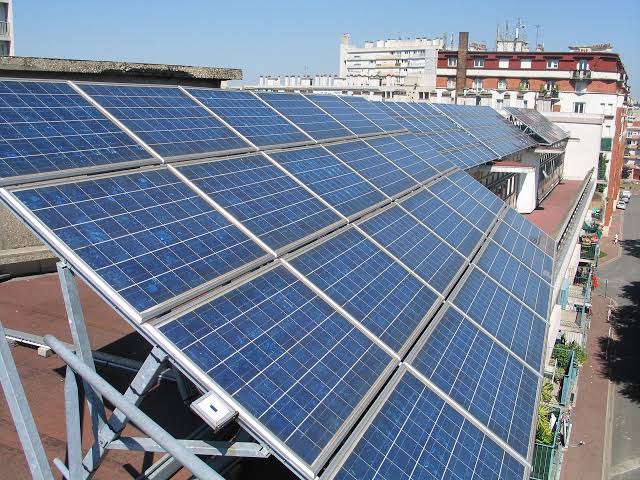
– Solar panels
– Hybrid inverter
– Battery storage
– Grid integration
– Load prioritization
Hybrid systems ensure critical loads remain powered during outages.
Financing Models
1. Solar-as-a-Service
No upfront cost. Provider installs and maintains system while institution pays a monthly fee.
2. Green Loans
Structured financing with lower interest and longer repayment periods.
3. Donor Funding
Grants for schools, hospitals, and rural facilities.
4. Public-Private Partnerships
Shared investment and long-term maintenance agreements.
Value Beyond Cost Savings
Solar improves:
– Service continuity
– Learning outcomes
– Healthcare delivery
– Operational stability
Integration with Water Systems
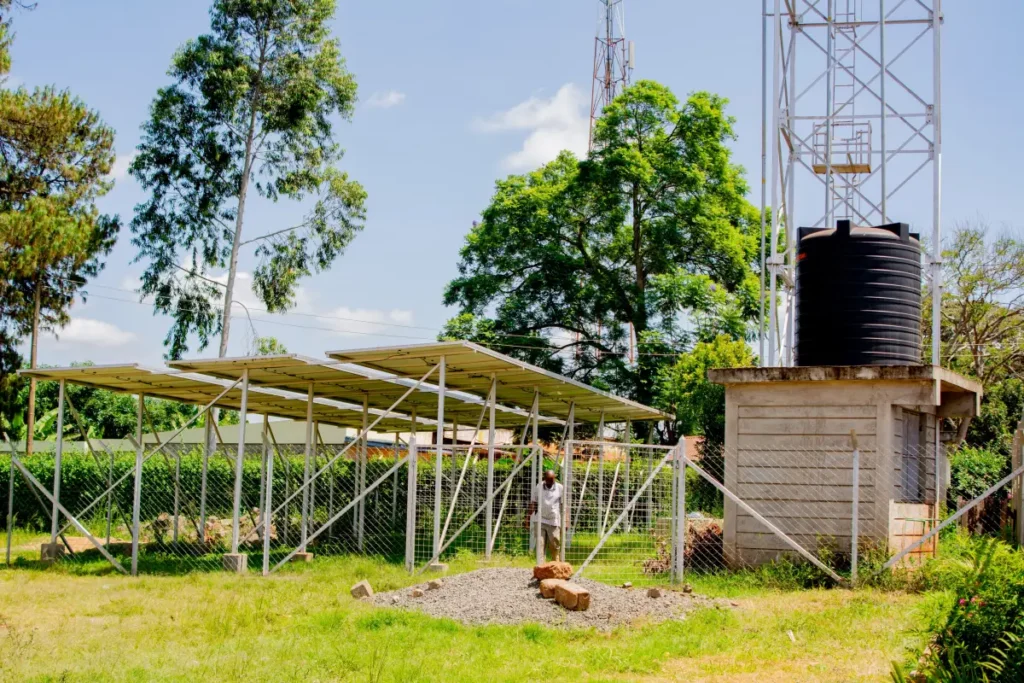
Solar can power borehole pumps, treatment systems, and water distribution, creating full energy-water resilience.
Conclusion
Solar energy enables reliable, sustainable, and cost-efficient infrastructure. For schools and hospitals, it ensures continuity, resilience, and long-term impact.
Solar for Schools and Hospitals: Financing Resilience in Institutions