
For large farms, water is not just a utility. It is a production asset.
Livestock need reliable access to clean water for healthy growth, milk production, breeding performance, and overall herd productivity. When supply is inconsistent, the impact is immediate: lower output, stressed animals, and higher management costs.
That is why more large farms are turning to solarized livestock watering systems. They reduce fuel costs, improve resilience in remote areas, and provide a more predictable water supply. But a successful system is not just about adding solar panels to a pump. It must be designed as a complete farm water infrastructure solution.
Start with Livestock Demand
The design process should begin with one question: how much water does the farm actually need every day?
Water demand depends on livestock type, herd size, weather conditions, production stage, and feeding method. On large farms, daily demand can reach tens of thousands of litres.
A good design must account for current herd size, peak demand, future expansion, and storage reserve.
Confirm the Water Source
Reliable water sources include boreholes, wells, rivers, dams, and pans.
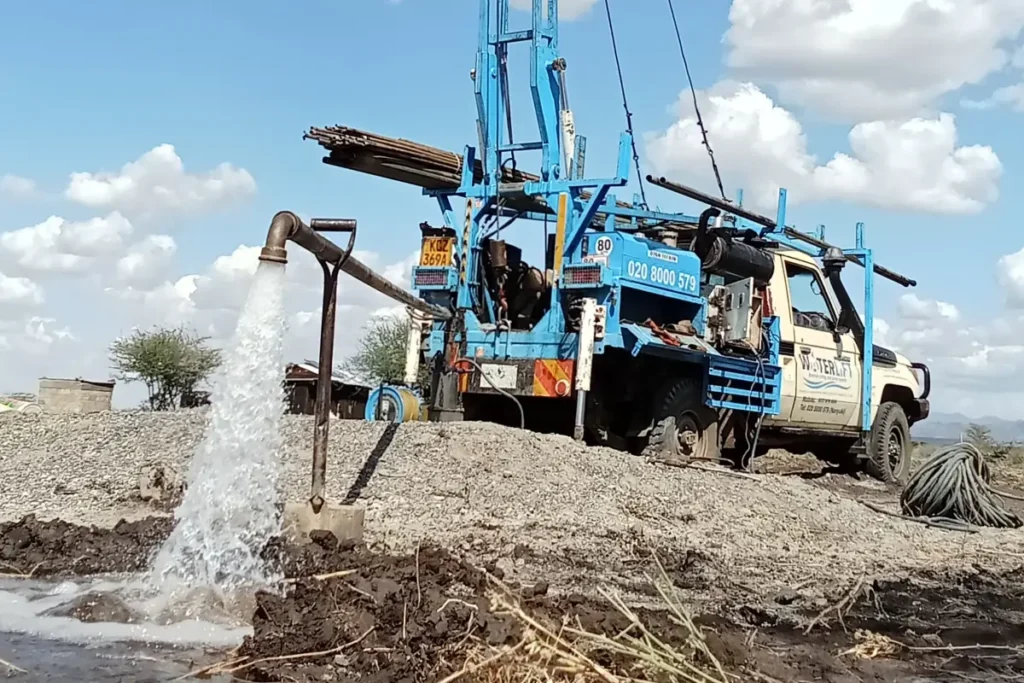
For boreholes, key factors include static water level, pumping level, yield, depth, and quality. Test pumping is essential to confirm sustainability.
Design for Storage
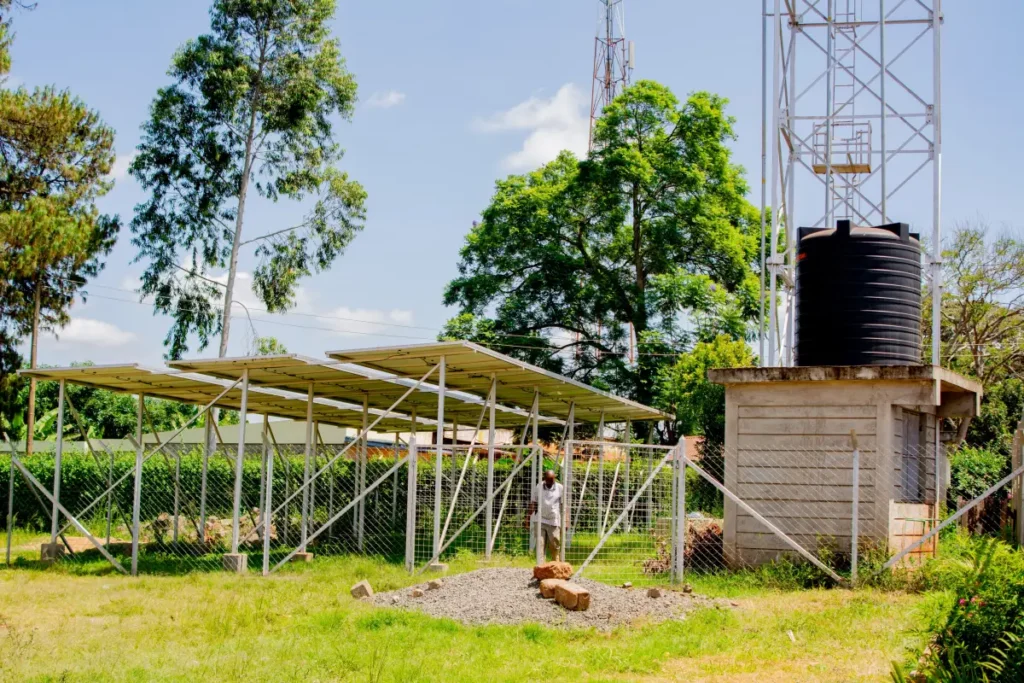
Storage tanks allow water to be pumped during the day and used when needed. This ensures reliability during cloudy periods and peak demand.
Size the System Correctly
Pump and solar sizing must consider daily demand, head, distance, friction losses, and sunshine hours.
Poor sizing leads to water shortages or unnecessary costs.
Plan Distribution
Efficient piping and trough placement ensure even water access across paddocks and reduce animal stress.
Trough Design
Troughs should allow fast refill, be durable, easy to clean, and properly located to avoid congestion and wastage.
Include Protection
Systems should include electrical protection, tank controls, and security measures such as fencing.
Design for Expansion
Allow for future herd growth and system scaling.
Conclusion
A solarized livestock watering system is a complete infrastructure solution. Proper design ensures reliability, cost savings, and long-term farm productivity.