
One of the most expensive mistakes in solar installation is incorrect system sizing.
Oversize the system — you overspend.
Undersize it — you underperform.
In 2026, serious solar projects are no longer sized using rough electricity bills alone. They are designed using real-time energy data captured through data loggers.
Why Traditional Sizing Is Risky
Many solar systems are designed using only past electricity bills or estimated peak load assumptions. However, bills only show total consumption. They do not reveal peak demand times, load fluctuations, day versus night consumption, equipment startup surges, or seasonal variations.
Without this information, system design becomes guesswork.
What Is a Solar Energy Audit?
A solar audit is a structured assessment of a facility’s energy profile before system design. It evaluates load patterns, demand peaks, daily consumption curves, power factor, equipment startup loads, and seasonal demand shifts.
The most accurate audits use real-time data loggers.
What Is a Data Logger?
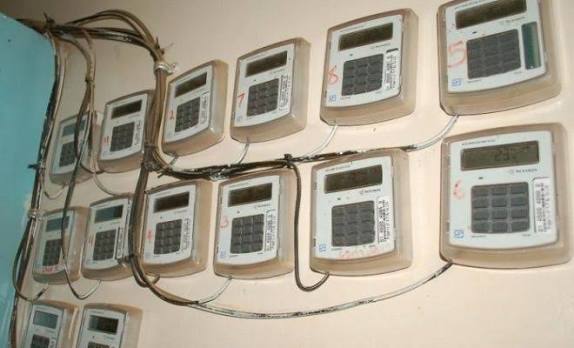
A data logger is a monitoring device installed temporarily or permanently on an electrical distribution board. It records:
– Voltage
– Current
– Real power (kW)
– Apparent power (kVA)
– Energy consumption (kWh)
– Demand spikes
– Time-of-use patterns
Data is collected continuously, often over a 7 to 30-day period, providing a true energy profile.
Why Real-Time Data Matters
1. Accurate System Sizing
Designers can match solar capacity to daytime loads, avoid oversizing batteries, optimize inverter selection, and plan hybrid integration correctly.
2. Identifying Peak Demand
Facilities with high startup currents from motors, compressors, or pumps require careful sizing to avoid inverter overload.
3. Optimizing Battery Storage
Data logging determines nighttime consumption, critical versus non-critical loads, and backup duration requirements.
4. Improving ROI Calculations
Accurate load data enables realistic savings forecasts and payback period modeling.
Solar Audit for Borehole and Pump Systems
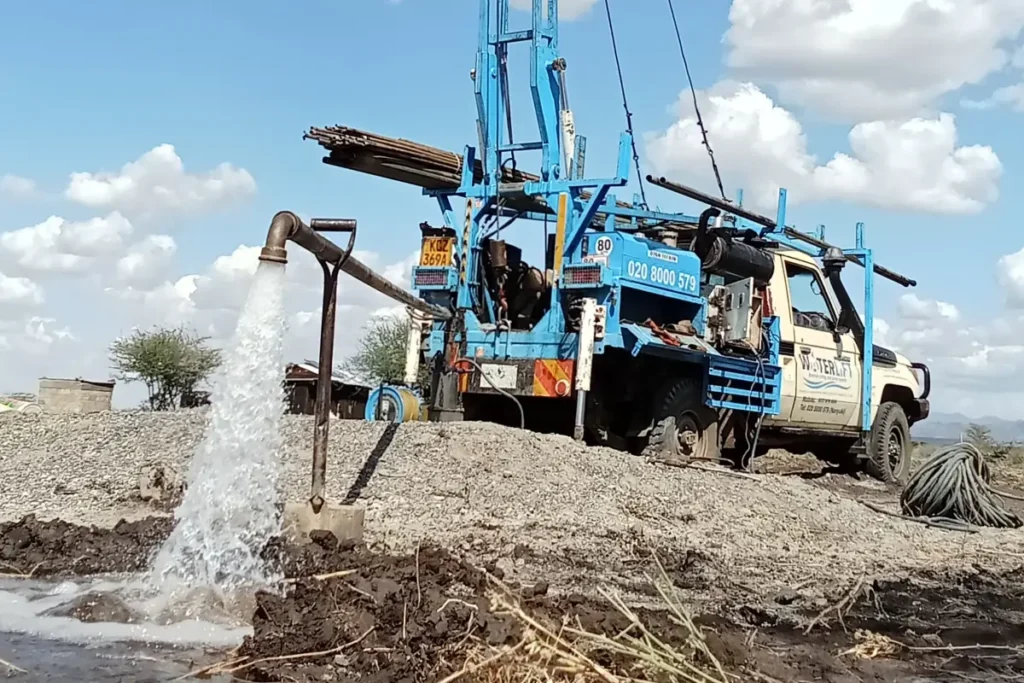
For water projects, data logging evaluates pump runtime hours, startup current, solar pumping feasibility, and grid versus solar energy share.
The Audit Process
1. Site inspection
2. Installation of data logger
3. Monitoring period (7–30 days)
4. Data analysis
5. Load profiling
6. System design recommendations
7. Financial modeling
Who Needs a Solar Audit?
– Commercial buildings
– Factories
– Hospitals
– Schools
– Hotels
– Irrigation farms
– Real estate developments
– High-consumption residential properties
If your monthly electricity bill exceeds KES 50,000–100,000, a data-driven audit is strongly recommended.
Conclusion
Solar is a long-term investment. It should not be sized using assumptions.
The essential solar audit ensures accurate system sizing, better financial returns, reduced technical risk, and long-term performance stability.
Before installing panels, measure the truth. Good data builds good solar.