
As solar energy adoption grows across Kenya, property owners are increasingly looking for the most efficient way to install solar systems on limited space. For homes, farms, commercial buildings, and borehole sites, the key question often becomes:
Should the solar system be installed on the roof or on the ground?
Both rooftop and ground-mounted solar systems can deliver excellent performance. However, the best option depends on factors such as available space, orientation, shading, structural considerations, and maintenance access.
What Is a Rooftop Solar System?
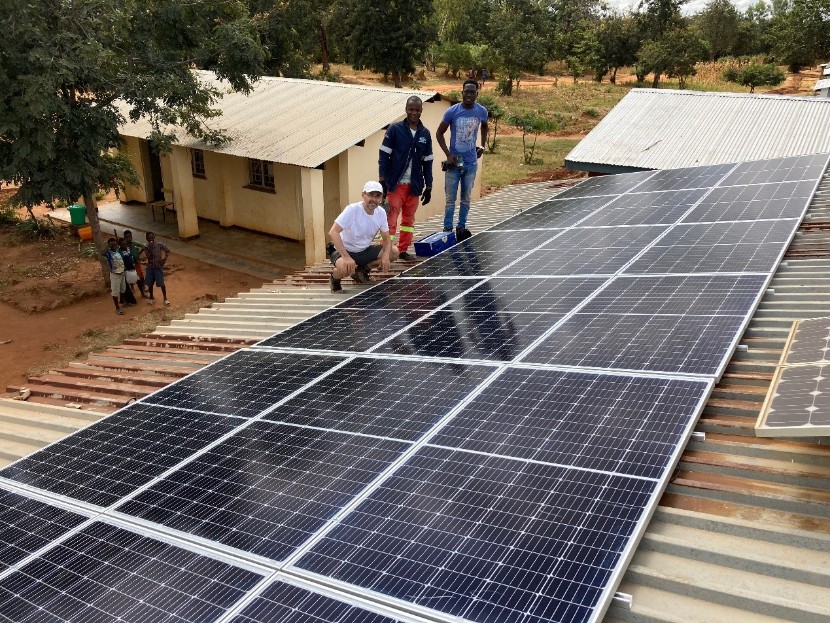
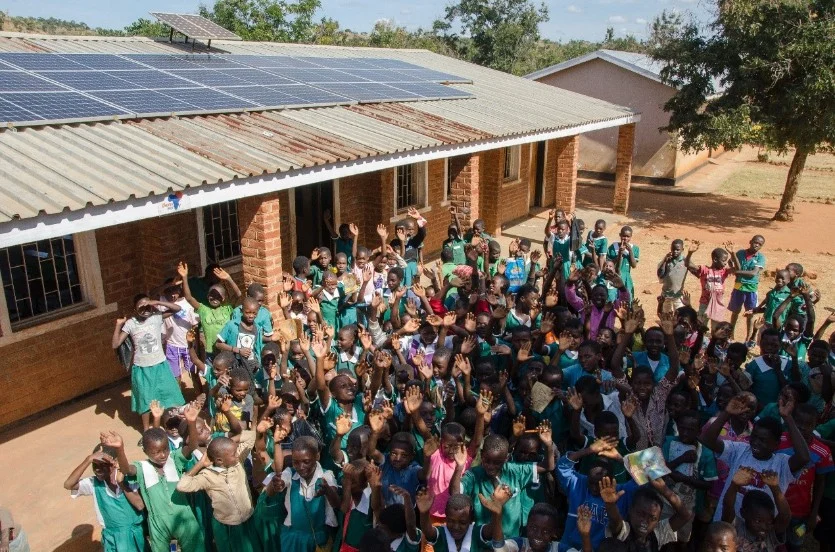
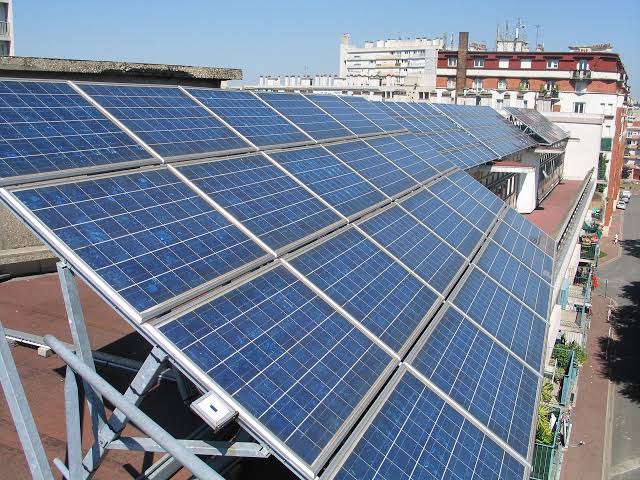
A rooftop solar system involves installing solar panels directly on the roof of a building using specialized mounting structures. These systems are common for residential homes, schools, commercial buildings, warehouses, and offices. Rooftop installations utilize existing structures, helping save land space.
Advantages of Rooftop Solar
Efficient Use of Space
Rooftop solar uses available roof space without occupying valuable land that could be used for farming, parking, or expansion.
Lower Installation Cost
Because the roof structure already exists, fewer materials are needed for support, which can reduce installation costs.
Improved Security
Panels installed on rooftops are less accessible to theft or vandalism.
Reduced Cable Distance
Panels located close to the building’s electrical system reduce cable length and electrical losses.
Limitations of Rooftop Solar
Roof Orientation and Tilt
Not all roofs face the optimal direction for maximum solar production.
Structural Constraints
Some roofs may require reinforcement to safely support solar equipment.
Shading Issues
Nearby trees, buildings, or rooftop structures can cast shadows that reduce system output.
Maintenance Access
Cleaning and servicing panels on rooftops can be more challenging.
What Is a Ground-Mounted Solar System?
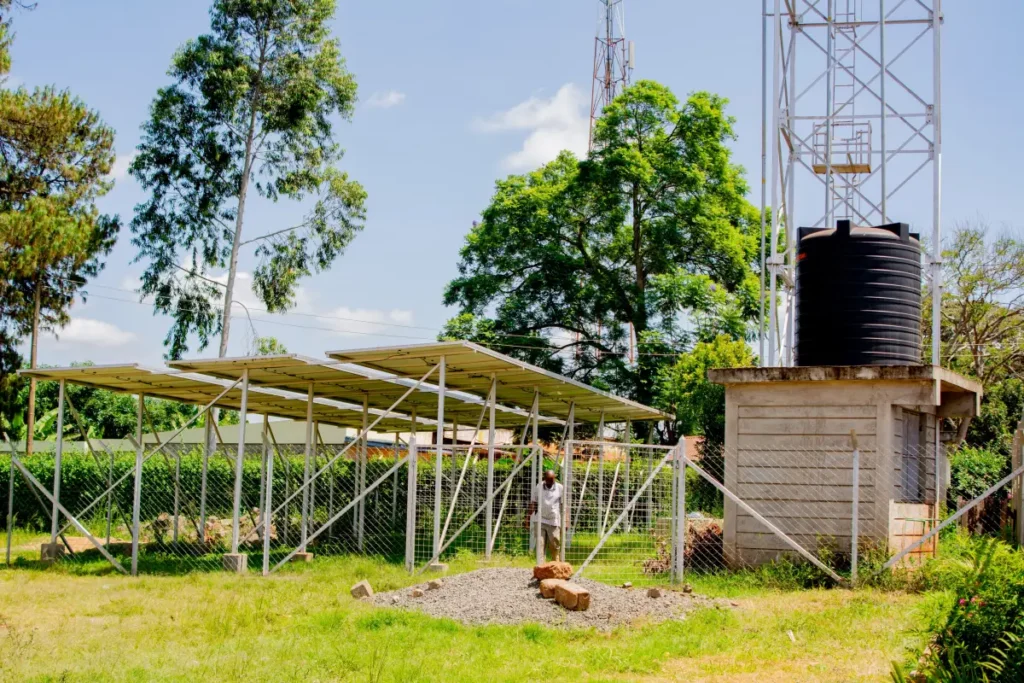
Ground-mounted solar systems are installed on structures built directly on the land. These systems are common for irrigation farms, borehole pumping stations, industrial facilities, and large residential compounds.
Advantages of Ground-Mount Solar
Optimal Panel Orientation
Ground-mounted systems can be positioned at the best tilt and direction to maximize solar generation.
Better Cooling and Efficiency
Panels installed in open spaces benefit from improved airflow, which can enhance performance.
Easier Maintenance
Technicians can access ground-mounted panels more easily for cleaning and inspection.
Scalable Expansion
Ground systems can be expanded more easily as energy demand grows.
Limitations of Ground-Mount Systems
Land Usage
Ground-mounted arrays occupy land that could otherwise be used for farming or construction.
Higher Structural Cost
They require mounting frames, foundations, and sometimes security fencing.
Greater Exposure
Panels may be more exposed to theft or accidental damage if not properly secured.
Which Option Produces More Energy?
Ground-mounted systems often achieve slightly higher energy yield because they can be positioned perfectly toward the sun. However, well-designed rooftop systems can also perform very efficiently when roofs have favorable orientation and minimal shading.
Hybrid Installations
Some properties combine rooftop and ground-mounted solar installations to maximize available space and increase total energy generation.
Conclusion
Both rooftop and ground-mounted solar systems offer reliable renewable energy solutions. Rooftop installations maximize space efficiency, while ground-mounted systems provide flexibility and easier maintenance.
With proper system design and site assessment, even small plots can generate substantial solar power and deliver long-term energy savings.