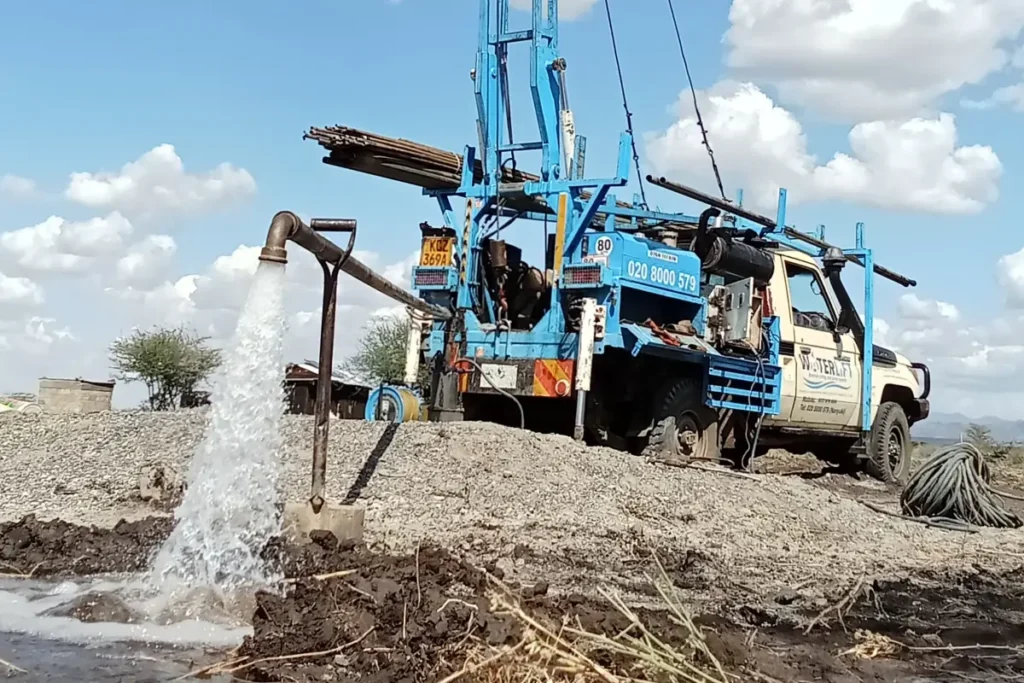

Maintaining a clean borehole is important to ensure that the water being pumped out is safe to drink and free of contaminants. There are several steps that can be taken to keep a borehole clean, including installing a filter, using a borehole cleaning service, performing regular maintenance, protecting the borehole, and testing the water regularly.
It’s important to note that the specific steps you take to keep your borehole clean will depend on your specific situation and the quality of your water. Consulting with a water treatment professional or borehole expert can help you determine the best course of action.
Below are some applicable ways to keep Your Borehole clean
Install a borehole filter:
A Borehole filter is a device that is installed in the borehole and filters out dirt and sediment when before the water is pumped out.
So, how does Installing a borehole filter help keep a borehole clean?
The filter is typically made of a series of screens or tubes with small holes that allow water to pass through but trap any larger particles.
By filtering out these particles before the water is pumped out, a borehole filter helps to keep the water in the borehole clean and free of contamination. This can help to improve the overall quality of the water and reduce the need for additional treatment.
Borehole filters can be an effective way to keep a borehole clean, especially if the water in the borehole is prone to becoming contaminated with dirt or sediment. However, it’s important to note that borehole filters may not be effective at removing other types of contaminants, such as bacteria or chemicals. In these cases, other types of water treatment systems may be needed to ensure the water is safe to drink.
Use a borehole cleaning service:
This is considered to be more efficient when borehole filters do not work for you. It entails consulting a company that specializes in cleaning boreholes. They use specialized equipment to remove dirt and sediment from the borehole.
There are several ways that a borehole cleaning service can help keep a borehole clean:
Scraping: The service may use specialized tools to scrape the walls of the borehole to remove any dirt or sediment that has accumulated.
Flushing: The service may use high-pressure water to flush out the borehole, removing any dirt or sediment that has accumulated.
Chemical cleaning: The service may use chemicals to break down and remove any dirt or sediment that has accumulated in the borehole.
Video inspection: The service may use a video camera to inspect the borehole and identify any issues that may be causing contamination.
Borehole cleaning services can be an effective way to keep a borehole clean, especially if the water in the borehole is prone to becoming contaminated with dirt or sediment. However, it’s important to note that borehole cleaning services may not be effective at removing other types of contaminants, such as bacteria or chemicals. In these cases, other types of water treatment systems may be needed to ensure the water is safe to drink.
Regular maintenance
You can also keep your borehole clean by regularly cleaning the borehole pump and piping, and by using a water treatment system to remove any contaminants from the water.
How does Regular maintenance help keep a borehole clean?
Regular maintenance can help keep a borehole clean in several ways:
Cleaning the borehole pump and piping: Over time, dirt and sediment can accumulate in the borehole pump and piping. Regularly cleaning these components can help to prevent contamination and ensure that the water being pumped out is clean.
Using a water treatment system: A water treatment system can help to remove contaminants from the water and improve its quality. Regularly maintaining and replacing the filters in the treatment system can help ensure that it is effective at removing contaminants.
Protecting the borehole: Keeping the area around the borehole clean and free of debris can help to prevent contamination. This may involve cleaning up any trash or debris that accumulates near the borehole or installing a cover or fencing around the borehole to prevent animals or debris from entering it.
By regularly performing these maintenance tasks, you can help to ensure that your borehole is clean and that the water being pumped out is of high quality. It’s important to note that the specific maintenance tasks you need to perform will depend on your specific situation and the quality of your water. Consulting with a water treatment professional or borehole expert can help you determine the best course of action.
Protect the borehole
To prevent contamination, make sure to keep the area around the borehole clean and free of debris, and consider installing a cover or fencing around the borehole to prevent animals or debris from entering it.
Protecting the borehole can help to prevent contamination and keep the water in the borehole clean. There are several ways to protect a borehole, here are a few you can try:
Keep the area around the borehole clean and free of debris: This can help to prevent dirt or debris from entering the borehole and contaminating the water.
Install a cover or fencing around the borehole: A cover or fencing can help to prevent animals or debris from entering the borehole and contaminating the water.
Use a borehole liner: A borehole liner is a tube or pipe that is installed inside the borehole. It can help to prevent dirt and sediment from entering the borehole and contaminating the water. It’s also important to properly maintain the borehole liner to ensure it is effective at preventing contamination. This may involve regularly inspecting the liner for damage and repairing any issues that are identified.
By taking these steps to protect the borehole, you can help to ensure that the water in the borehole remains clean and free of contamination. It’s important to note that the specific steps you take to protect your borehole will depend on your specific situation and the quality of your water. Consulting with a water treatment professional or borehole expert can help you determine the best course of action.
Test the water regularly:
Regular testing of the water quality can help you identify any potential contamination issues and take steps to address them.
By testing the water, you can determine the quality of the water and identify any contaminants that may be present.
There are several types of water tests that can be performed to determine the quality of the water in a borehole. These tests can measure the presence of contaminants such as bacteria, chemicals, and minerals. Some common water tests include:
Bacteria tests: These tests check for the presence of bacteria, such as E. coli, in the water.
Chemical tests: These tests check for the presence of chemicals, such as pesticides or fertilizers, in the water.
Mineral tests: These tests check for the presence of minerals, such as iron or magnesium, in the water.
By testing the water regularly, you can identify any contaminants that may be present and take steps to address them. This can help to keep the water in the borehole clean and ensure that it is safe to drink. It’s important to note that the specific tests you need to perform will depend on your specific situation and the quality of your water. Consulting with a water treatment professional or borehole expert can help you determine the best course of action.
Here are a few additional ways to keep a borehole clean:
Use a disinfectant: Adding a disinfectant, such as chlorine, to the water can help kill any bacteria or other contaminants that may be present.
Disinfectants work by killing or inactivating bacteria, viruses, and other microorganisms that can cause illness.
To use a disinfectant to keep a borehole clean, you can add a small amount of the disinfectant to the water before it is pumped out. The exact amount of disinfectant needed will depend on the type of disinfectant you are using and the quality of the water.
It’s important to note that disinfectants are not effective at removing all types of contaminants from water. For example, they may not be effective at removing chemicals or minerals. In these cases, other types of water treatment systems may be needed to ensure the water is safe to drink.
It’s also important to follow the manufacturer’s instructions when using a disinfectant to ensure that it is used safely and effectively. Overuse of disinfectants can cause health issues, so it’s important to use them only as needed and in the recommended dosage.
Regularly inspect and repair the borehole:
Regularly inspecting and repairing a borehole can help to prevent contamination and keep the water in the borehole clean. There are several ways that inspections and repairs can help to prevent contamination:
Identify and fix any issues: During an inspection, any issues with the borehole or associated equipment, such as a damaged pump or piping, can be identified and repaired. This can help to prevent contamination from occurring.
Protect the borehole from external sources: An inspection can identify any issues with the borehole’s protective measures, such as a damaged cover or fencing, and repair them. This can help to prevent animals or debris from entering the borehole and contaminating the water.
Monitor the water quality: An inspection can also include testing the water to determine its quality and identify any contaminants that may be present. By regularly monitoring the water quality, any potential contamination issues can be identified and addressed.
By regularly inspecting and repairing the borehole, you can help to ensure that it is in good working order and that the water in the borehole remains clean and free of contamination. It’s important to note that the specific inspection and repair tasks you need to perform will depend on your specific situation and the quality of your water. Consulting with a water treatment professional or borehole expert can help you determine the best course of action.
Use a water treatment system:
A water treatment system is a device or system that is used to remove contaminants from water. By using a water treatment system, you can help to improve the overall quality of the water from a borehole and reduce the need for additional treatment.
There are several types of water treatment systems available, each designed to remove specific types of contaminants. Some common types of water treatment systems include:
Reverse osmosis systems: These systems use a semi-permeable membrane to filter out contaminants, including bacteria, chemicals, and minerals.
Ultraviolet (UV) systems: These systems use UV light to kill bacteria and other microorganisms that may be present in the water.
Water softeners: These systems remove minerals, such as calcium and magnesium, that can cause hard water.
By using a water treatment system, you can help to ensure that the water from your borehole is clean and safe to drink. It’s important to note that the specific type of water treatment system you need will depend on your specific situation and the quality of your water. Consulting with a water treatment professional or borehole expert can help you determine the best course of action.
Store water properly
Finally, If you are storing water from the borehole, make sure to use clean, food-grade containers and keep them covered to prevent contamination.
In Conclusion
It’s important to keep in mind that the specific steps you take to keep your borehole clean will depend on your specific situation and the quality of your water. Consulting with a water treatment professional or borehole expert can help you determine the best course of action.