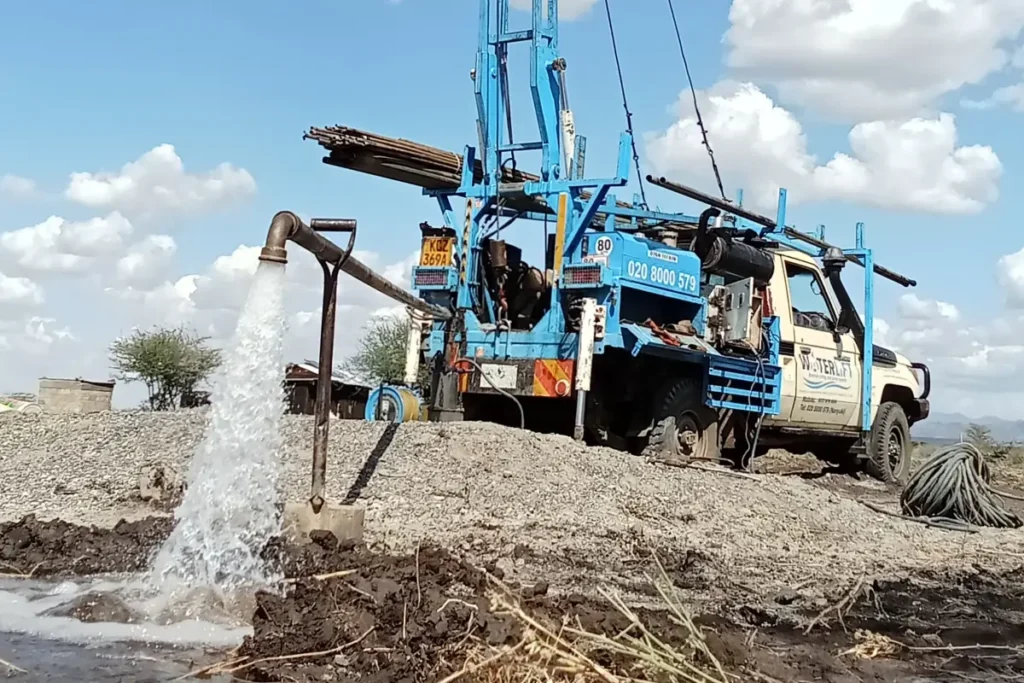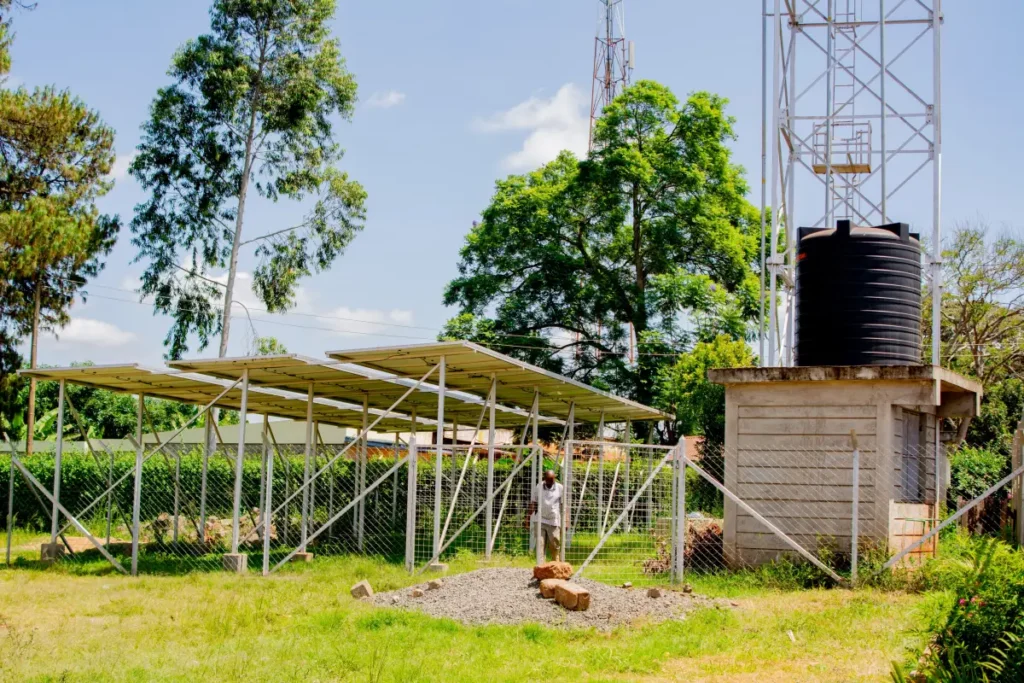
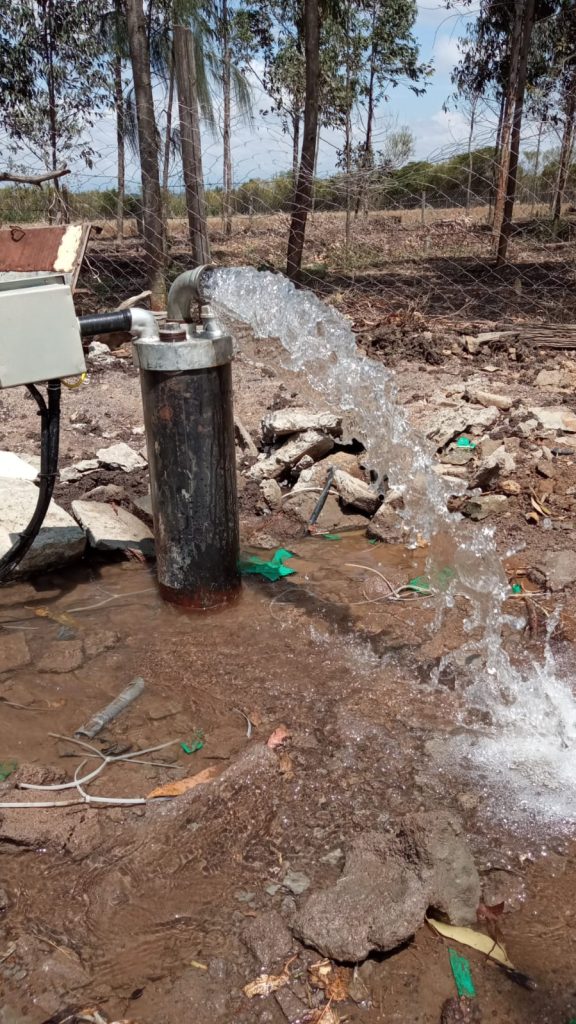
A borehole is a narrow, deep hole that is drilled into the ground in order to access underground water or other natural resources.
There are many benefits to having a borehole on your property, including:
Water security: A borehole can provide a reliable source of water, even during times of drought or water shortages. This can be especially important for farmers or other rural communities that rely on water for irrigation and other purposes.
Cost savings: Having a borehole can significantly reduce your water bill, as you will not have to rely on municipal water supplies. This can be especially beneficial for those living in areas where water rates are high.
Environmental benefits: A borehole uses less energy than traditional water pumping methods, as it does not require electricity or fuel. This means it has a lower carbon footprint and can be a more sustainable option.
Increased property value: A property with a borehole may be more attractive to potential buyers, as it can provide a reliable source of water and potentially reduce water bills.
Versatility: A borehole can be used for a variety of purposes, including irrigation, drinking water, and even swimming pools.
One major benefit of a borehole is that it can provide a stable, reliable source of water. In areas where surface water sources such as rivers and lakes are scarce or prone to drought, boreholes can provide a much-needed source of water for drinking, irrigation, and other purposes. Additionally, boreholes can be used to access underground water sources that are not contaminated by surface water pollution, making them a safer and more reliable source of drinking water.
Another benefit of a borehole is that it can be more cost-effective than other water sources. In areas where the cost of treating surface water or transporting it from distant sources is high, drilling a borehole and pumping water from underground can be a more economical option. This is especially true for rural areas where access to water infrastructure is limited.
Boreholes can also be more sustainable than other water sources. Unlike surface water sources, which can be depleted by overuse or drought, underground aquifers are generally more stable and less prone to depletion. This means that a borehole can provide a long-term source of water that is less vulnerable to the effects of climate change and other environmental factors.
In addition to providing a reliable source of clean water, boreholes can also have a positive impact on the local economy. In rural areas, access to clean water can be a major factor in attracting businesses and promoting economic development. Boreholes can also help to improve health outcomes by reducing the risk of waterborne illnesses and other health problems caused by contaminated water.
Overall, the benefits of a borehole are numerous and varied, making them an important tool in addressing water scarcity and improving access to clean water in many parts of the world.