Power Up Your Choices: A Guide to Grid-Tied and Off-Grid Solar Backup Systems
Here at Waterlift, we understand that discerning Kenyans like yourself value both luxury and sustainability. When it comes to solar power, you have two main options: grid-tied and off-grid systems. Let’s dive into the world of solar backup systems, understanding the costs, benefits, and how to make the smartest financial decision for your Kenyan home or business.
Sunshine on Demand: Grid-Tied vs. Off-Grid
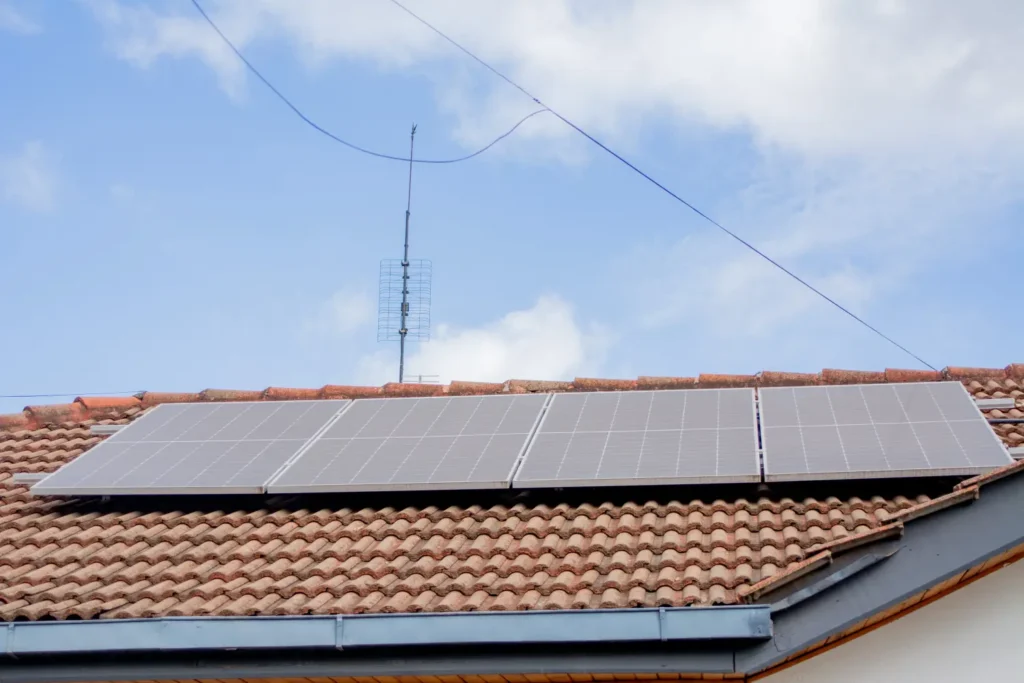
How does this sound? You’re powering your dream home with clean, solar energy. Grid-tied systems connect directly to the KPLC grid. During the day, your solar panels generate electricity. You use what you need, and any excess gets fed back to the grid, often earning you credits that reduce your electricity bill. Think of it as sunshine in the bank!
Off-grid systems, on the other hand, are completely independent. They’re ideal for remote locations where KPLC doesn’t reach. Solar panels generate electricity, which is stored in batteries for use throughout the day and night.
Building Your Solar Powerhouse: A brief overview of Components
Both systems share essential components:
- Solar Panels: These capture the sun’s energy and convert it into electricity.
- Inverters: They transform the solar-generated direct current (DC) electricity into usable alternating current (AC) for your appliances.
- Charge Controllers (Off-Grid Only): These regulate the flow of electricity to your batteries, preventing them from overcharging.
- Batteries (Off-Grid Only): Essential for off-grid systems, they store excess solar energy for use when the sun isn’t shining.
What is the Cost of a Solar backup System installation in Kenya?
How much power can your wallet hold? Grid-tied systems typically have lower upfront costs because you don’t need batteries. Off-grid systems require a larger initial investment due to the batteries. Here’s a breakdown to consider:
- Grid-Tied: They are like having a reliable partner – the KPLC grid. You’ve got the solar panels generating power during the day, and any excess gets sent back to the grid. It’s a win-win! The upfront costs are typically lower because you don’t need batteries. Maintenance is minimal, just like keeping a good partnership running smoothly.
- Off-Grid: Off-grid systems, on the other hand, are completely self-sufficient – like a lone adventurer conquering the wilderness. You’ve got everything you need to generate and store your own power, including batteries. The initial investment is higher due to the batteries, and you’ll need to perform some maintenance on them to keep them in top shape. But the payoff is freedom from the grid – perfect for remote locations or those seeking ultimate energy independence!
Incentives on Solar backup systems in Kenya: Lighten the Load
The Kenyan government is on board with solar! There are various financial incentives to help ease the initial investment:
- Net Metering: With grid-tied systems, you can earn credits for excess electricity fed back to the KPLC grid, reducing your electricity bill
- Tax Rebates: Check with the Kenya Revenue Authority (KRA) for any applicable tax rebates on solar installations.
Read our full article on GOK incentives HERE
Making it Pay: Calculating Your Return on Sun
Return on Investment (ROI) is all about how quickly you see the financial benefits of your solar power adventure! Here’s a simplified way to estimate yours:
- Total System Cost: Think of this as your initial investment, like buying a gym membership. It includes everything from the solar panels to the installation.
- Annual Electricity Savings: Imagine this as the money you’ll be saving on your KPLC bills every year. The more sunshine you use, the less you pay the grid!
- Divide Savings by Cost: This gives you a rough estimate of how many years it might take to reach that breakeven point, where the money you save on electricity catches up to your initial investment. It’s like that sweet spot at the gym where you see your hard work paying off! Remember, this is a ballpark figure, and a professional from Waterlift can help you with a more precise calculation.
When Will You See the Light? Payback Period Explained
The payback period is the time it takes for your energy savings to offset the initial investment. Factors affecting this include:
- System Efficiency: Imagine your solar panels are like athletes. High-efficiency panels are the superstars, converting more sunlight into electricity. This means you generate more power for your buck, leading to a swifter payback on your investment.
- Energy Consumption: Think of your household as a car. Gas guzzlers use more fuel, just like homes with high energy use. The more sunshine you use instead of KPLC power, the faster you’ll see that payback at the pump (well, the meter!).
- Electricity Rates: KPLC rates fluctuate depending on location. Areas with historically high electricity costs see a bigger financial advantage from solar power, leading to a quicker payback period. It’s like getting a double discount – saving on solar installation and reducing your KPLC bill!
Beyond the immediate savings on your KPLC bill, solar offers sunshine-powered perks for years to come:
- Energy Cost Stability: Imagine KPLC rates are like a rollercoaster – unpredictable and sometimes scary! With solar, you’re less exposed to these ups and downs. You’re generating your own clean energy, shielding yourself from future KPLC rate hikes and giving you more control over your long-term electricity budget.
- Increased Property Value: Going green is more than just good for the planet, it’s good for your wallet too! Eco-friendly homes are increasingly sought after by discerning buyers. A solar system can be a major selling point, potentially fetching you a higher price and attracting buyers quicker when it’s time to sell. It’s a win-win for your wallet and the environment!
Financing Your Solar backup system project
Financing your solar system can feel like navigating a financial jungle, but here’s a breakdown of the common paths to help you pick the one that best suits your goals:
- Solar Loans: Think of this like a car loan for your solar system. You borrow the upfront cost from a lender and repay it over a set term with monthly payments. It’s a great option if you want to own the system outright and maximize your long-term savings.
- Solar Leases: Imagine renting a solar system instead of buying it. This option requires a lower upfront cost, and you typically pay a fixed monthly fee to a solar company who owns and maintains the system. It’s a good choice if you prefer predictable monthly payments and don’t mind not owning the system.
- Power Purchase Agreements (PPAs): Here, a third party installs and maintains the solar system on your property. You buy the electricity it generates at a pre-determined rate. This is similar to a solar lease, but you might have more flexibility in terms of contract length and pricing.
- Energy Efficiency Mortgages: This is a special type of mortgage that rewards you for going green! By incorporating energy-efficient features like solar into your home, you may qualify for a larger loan amount or a lower interest rate. It’s a win-win for your wallet and the environment!
Real-World Examples: Solar Success Stories
Imagine a Nairobi entrepreneur with a grid-tied system enjoying significant savings on their KPLC bill. On the other hand, a remote Maasai Mara lodge owner thrives with an off-grid system, achieving complete energy independence. These are just a few examples!
The Future is Bright: Solar’s Evolving Landscape
Solar technology is constantly improving, with even more efficient panels and more affordable batteries on the horizon. Government policies are also likely to continue to incentivize solar power.
The Takeaway: Power Up Your Choices
Whether you choose a grid-tied or off-grid system, solar is a powerful investment in your wallet and the environment. Here at Waterlift, we’re happy to help you navigate the world of solar and design a system that perfectly fits your needs and budget.
Contact us today for a free consultation and unlock the power of the Kenyan sun!