Solar energy has long been considered the affordable and sustainable solution to power challenges across Kenya. However, in 2026, a noticeable shift is happening: solar panel costs are rising. Understanding why this is happening is essential for homeowners, farmers, and commercial investors making long-term energy decisions.
The Old Assumption: Solar Should Always Get Cheaper
For many years, global trends showed consistent reductions in solar panel costs due to technological advancements and mass production. However, current market realities are changing that trend within Kenya.
1. Global Supply Chain Pressures
Solar panels rely on materials such as silicon, copper, and aluminum. Fluctuations in mining output, shipping costs, and international trade policies have increased manufacturing and distribution expenses.
2. Currency and Forex Impact
Kenya imports most solar equipment. When the Kenyan shilling weakens against the US dollar, the cost of importing solar panels increases, directly affecting local prices.
3. Shipping and Freight Volatility
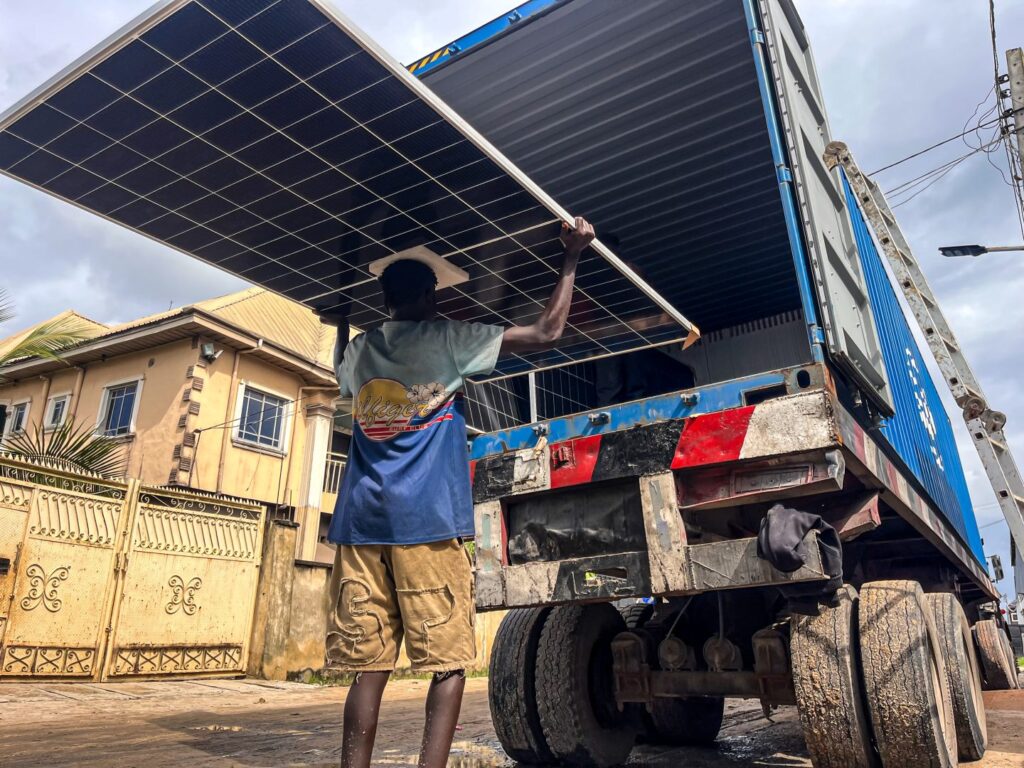
Global freight rates remain unstable. Port congestion, inspection delays, and rising fuel costs all contribute to higher landed costs for solar components.
4. Regulatory and Tariff Adjustments
International tariff changes on solar components can raise import costs. While these measures may support manufacturing sectors abroad, they increase prices for importing markets like Kenya.
5. Increased Regional Demand
Renewable energy adoption across Africa is accelerating. As demand grows, supply constraints push prices upward.
6. Inflation and Local Cost Increases
Inflation affects transportation, labor, warehousing, and operational overhead. These local cost increases are reflected in final system pricing.
7. Shift Toward Higher Quality Panels
Modern panels offer higher efficiency, improved performance in high temperatures, and longer warranties. While more expensive, they deliver greater long-term value.
Impact on Kenyan Buyers
Higher upfront prices may discourage some buyers, but the long-term savings from solar remain strong. Improved efficiency and durability mean better lifetime returns.
How to Navigate Rising Costs
– Focus on long-term value rather than lowest upfront price.
– Consider hybrid systems to optimize grid and solar integration.
– Explore financing models such as Solar as a Service.
– Work with reputable providers to ensure system quality and warranty protection.
Conclusion
Solar panel costs in Kenya are rising in 2026 due to global supply pressures, currency shifts, regulatory changes, and increased demand. However, solar remains a financially strategic investment when evaluated over its full lifecycle.
The key is strategic planning, proper system sizing, and working with experienced energy partners to maximize return on investment.