
Agriculture in Kenya is evolving fast. With rising electricity costs and unreliable grid supply, commercial farmers are seeking energy solutions that are cost-effective, sustainable, and reliable. Solar pumping solutions have emerged as the ideal answer — transforming irrigation from a recurring expense into a strategic investment.
The Challenge of Grid-Powered Irrigation
Traditional irrigation systems depend heavily on grid electricity or diesel generators. This comes with multiple challenges:
– High operating costs: Diesel and grid power are expensive, and prices fluctuate frequently.
– Unreliable supply: Power outages can disrupt watering schedules, reducing crop yields.
– Environmental impact: Diesel generators contribute to emissions and pollution.
– Maintenance burden: Pumps, generators, and electrical connections require constant upkeep.
For commercial farms, these factors directly affect productivity, profit margins, and long-term sustainability.
How Solar Pumping Solutions Work
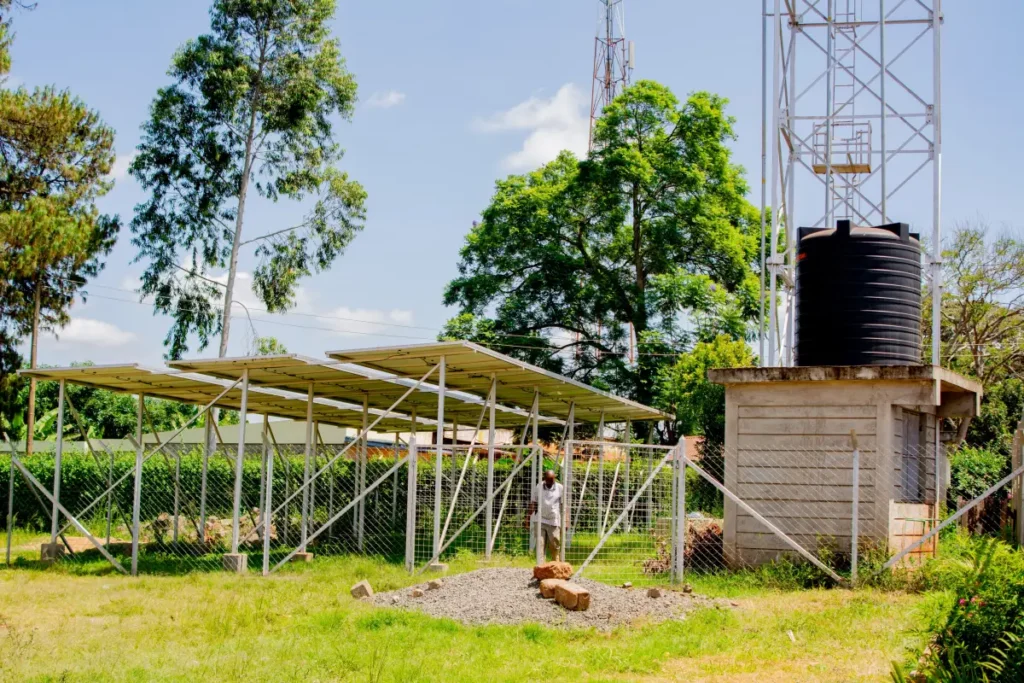
Solar pumping integrates solar panels, pumps, and water storage systems into a fully automated irrigation setup.
Key components:
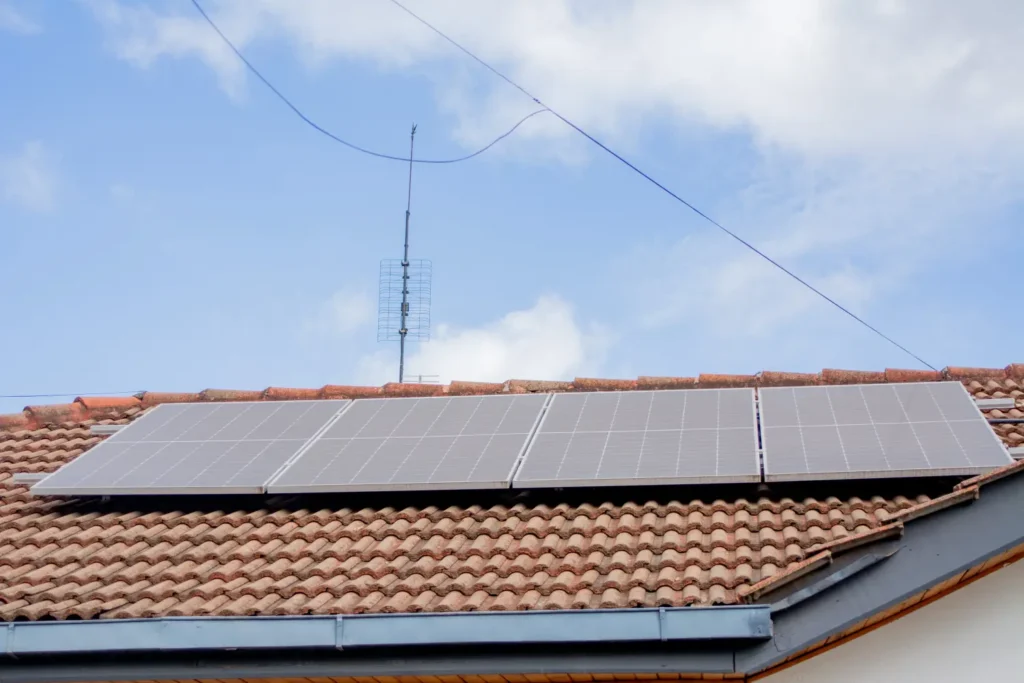
1. Solar panels: Convert sunlight into electricity for pump operation.
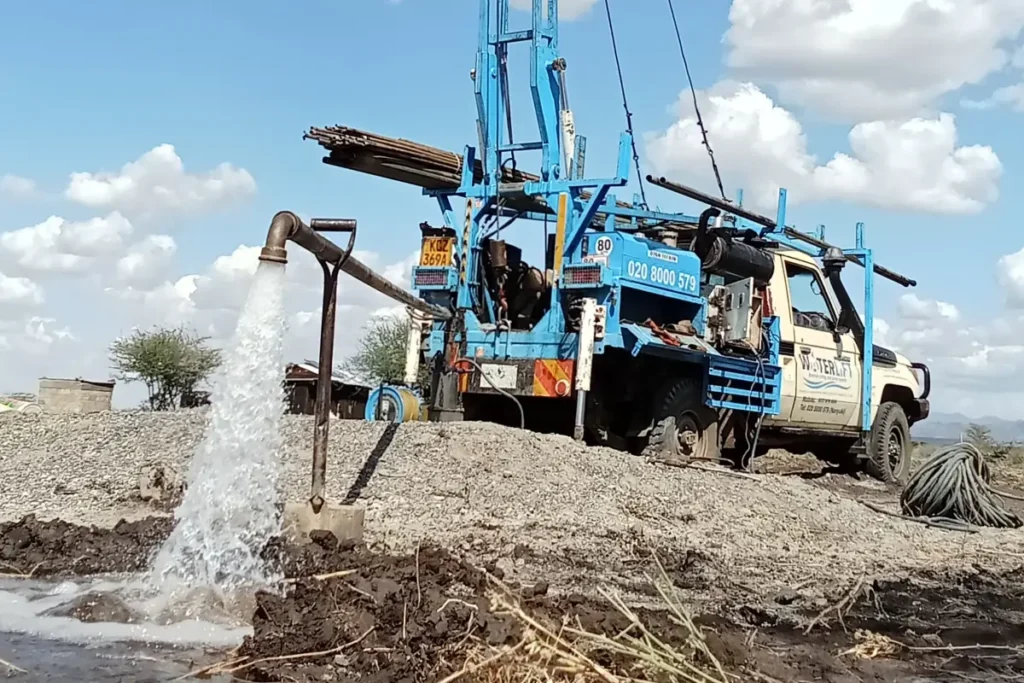
2. Water pumps: Designed for boreholes, wells, or surface water sources.
3. Controllers and batteries (optional): Ensure steady flow and backup storage for cloudy days.
4. Irrigation infrastructure: Pipes, drip or sprinkler systems for optimized water distribution.
The system automatically powers your irrigation, storing excess energy for peak or off-hour usage.
Why Solar Pumping Makes Sense for Commercial Irrigation
1. Reduce Operational Costs
Solar energy is free and abundant. After the initial investment, farms save on electricity or diesel, often cutting pumping costs by 70–90%.
2. Reliable Water Supply
Automated solar pumps maintain consistent water flow, ensuring crops are watered on schedule — even during grid outages.
3. Scalable for Any Farm Size
Whether you operate a small horticulture farm or a large commercial estate, solar pumping systems can be sized to match your water needs, from single borehole irrigation to multi-zone drip networks.
4. Environmental Sustainability
Switching to solar reduces carbon footprint, making your farm environmentally friendly — a growing advantage for export-oriented agribusinesses.
5. Long-Term Investment
Solar pumps can last 20+ years with minimal maintenance. Unlike diesel generators or grid power, this is an asset that adds value to your farm rather than a recurring cost.
Key Considerations for Commercial Farmers
– Water Source & Flow Rate: Accurate assessment ensures optimal pump sizing.
– Irrigation Schedule: Solar pumps are most efficient with consistent, planned schedules.
– System Sizing: Larger farms may require multiple pumps or hybrid solar setups.
– Maintenance Planning: Minimal, but scheduled inspections ensure long-term efficiency.
Real-World Impact: Case Example
A 50-acre horticulture farm using a solar pumping system:
– Reduced annual energy costs from KES 1.2 million to KES 300,000
– Maintained uninterrupted irrigation even during frequent grid outages
– Increased crop yield due to precise, reliable water supply
– Improved farm sustainability credentials for buyers
The results speak for themselves: solar pumping is not just energy-efficient, it’s profit-efficient.
Conclusion: The Smart Choice for 2026
In 2026, commercial irrigation demands cost efficiency, reliability, and sustainability. Solar pumping solutions deliver all three.
By switching to solar pumps:
– You reduce operational costs
– You secure a reliable water supply
– You invest in long-term farm assets
– You contribute to environmental sustainability
For commercial farmers ready to maximize productivity and minimize energy expenses, solar pumping is no longer optional — it’s the smartest irrigation strategy in Kenya today.