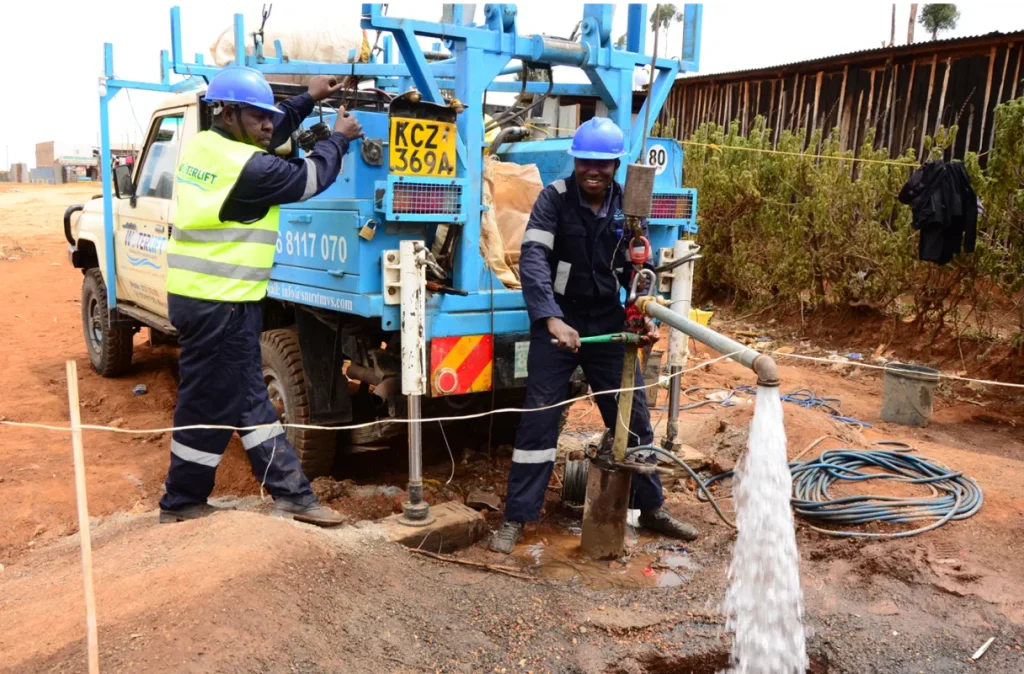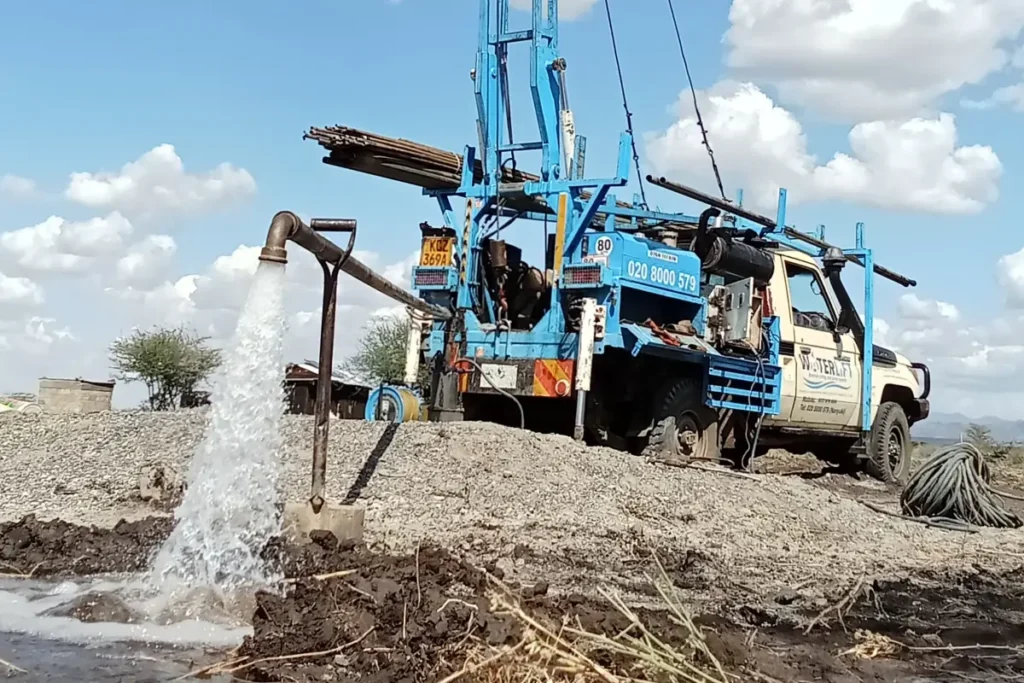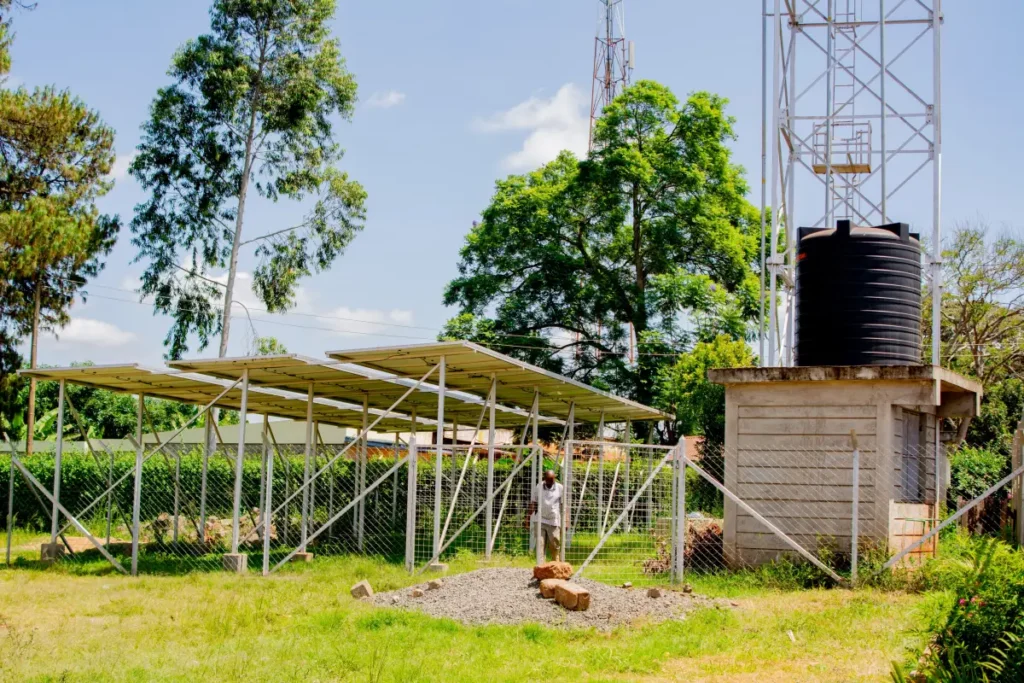
A borehole pump is the heart of any water system. Whether serving a home, farm, school, or commercial facility, the pump is responsible for delivering water reliably every day.
However, pumps rarely fail without warning. In most cases, failures occur because small issues were ignored over time. Preventative maintenance is the key to ensuring your pump operates efficiently and lasts for many years.
Why Preventative Maintenance Matters
Submersible pumps operate under demanding conditions. They work underwater, often at significant depths, and must withstand pressure, sediment, and continuous operation.
Without routine inspection and maintenance, pumps may experience:
– Reduced performance
– Increased electricity consumption
– Mechanical wear
– Overheating
– Premature failure
Regular maintenance helps detect and resolve these issues before they escalate into costly repairs.
Common Causes of Pump Failure
Dry Running
Dry running occurs when a pump operates without sufficient water in the borehole. This causes overheating and can severely damage the motor.
Electrical Issues
Voltage fluctuations and unstable power supply can damage pump motors. Proper control panels and surge protection systems help reduce this risk.
Sand and Sediment
If the borehole is not properly developed or screened, sand may enter the pump, causing abrasion and reducing efficiency.
Over-Pumping
Pumping water faster than the aquifer can recharge places unnecessary strain on the pump and may reduce borehole lifespan.
Essential Preventative Maintenance Practices
Regular Performance Checks
Monitoring water output, pressure levels, and pump running time can reveal early signs of wear or blockage.
Electrical System Inspection
Control panels, wiring, and protective devices should be inspected periodically to ensure proper functioning.
Pump Protection Systems
Modern installations often include dry-run protection, overload protection, and voltage stabilizers to safeguard the pump.
Water Quality Monitoring
Changes in water quality, such as increased sand or mineral content, can affect pump performance and should be addressed promptly.
Scheduled Professional Servicing
Even when everything appears normal, periodic professional inspection ensures that potential problems are detected early.
Signs Your Pump Needs Attention
Early warning signs include:
– Reduced water flow
– Unusual noises
– Frequent electrical trips
– Increased electricity consumption
– Sandy or dirty water
Addressing these signs early can prevent serious system failures.
Conclusion
Preventative maintenance is not an optional expense—it is a strategic investment. By monitoring performance, maintaining electrical systems, and responding to early warning signs, you can significantly extend the life of your pump and ensure reliable water supply for years to come.
Preventative Maintenance: Ensuring Your Pump Lasts