If you’re considering installing solar, one of the most common questions is: Should I choose monocrystalline or polycrystalline solar panels?
Both technologies convert sunlight into electricity and are widely used in Kenya. However, they differ in efficiency, appearance, cost, and long-term performance.
What Are Monocrystalline Panels?
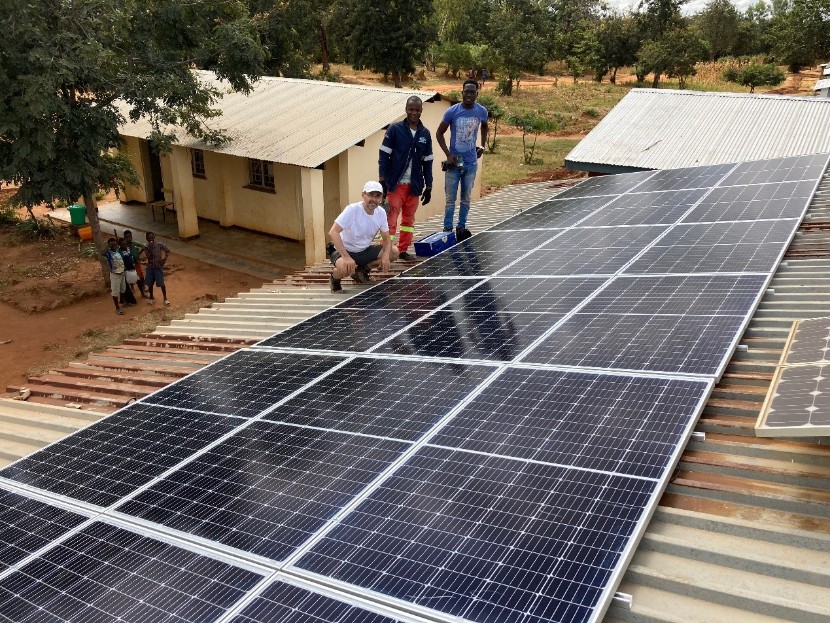
Monocrystalline (Mono) panels are made from a single, pure silicon crystal.
Key Characteristics:
– Dark black appearance
– Higher efficiency ratings
– Better performance in limited space
– Longer lifespan in most cases
What Are Polycrystalline Panels?
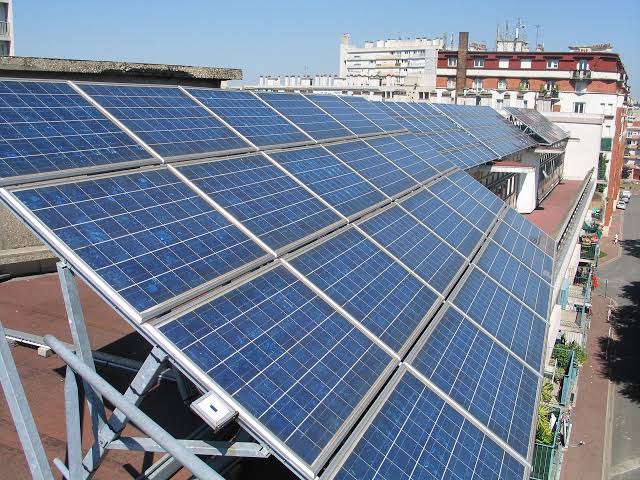
Polycrystalline (Poly) panels are made from multiple silicon fragments melted together.
Key Characteristics:
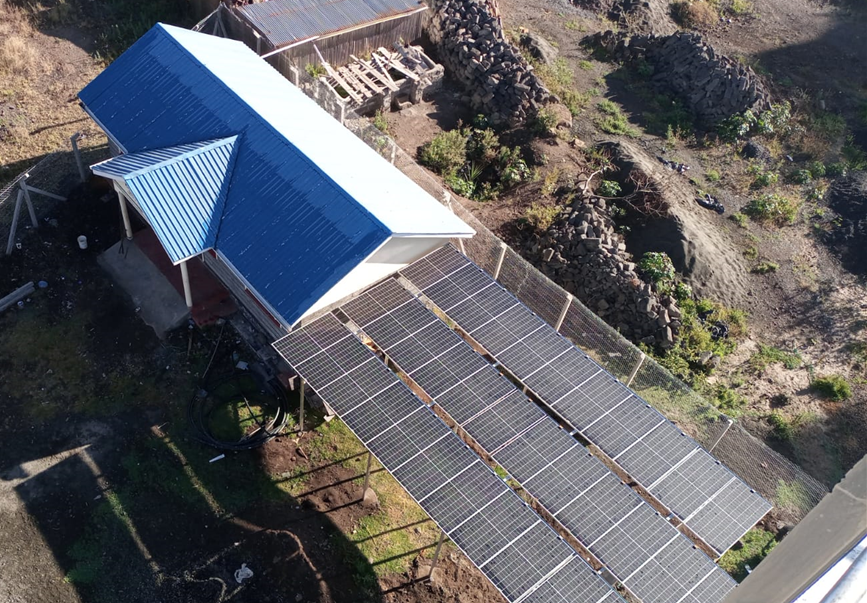
– Blue appearance
– Slightly lower efficiency
– More affordable upfront
– Requires slightly more space for the same output
Efficiency Comparison
Monocrystalline panels typically operate at 19–23% efficiency.
Polycrystalline panels typically operate at 15–18% efficiency.
If space is limited, mono panels generate more power per square meter.
If space is sufficient, poly panels can still meet energy needs at a lower upfront cost.
Performance in Kenyan Climate
Monocrystalline panels generally perform better in high temperatures and low-light conditions.
Poly panels perform well but may experience slightly lower output in extreme heat.
Cost Comparison
Historically, poly panels were cheaper, but the price gap has narrowed significantly in recent years.
In 2026, many projects are shifting toward mono panels due to improved efficiency and long-term value.
Lifespan and Warranty
Both mono and poly panels typically come with 20–25 year performance warranties.
Monocrystalline panels often show slightly slower degradation rates over time.
Which Should You Choose?
Choose Monocrystalline if:
– Space is limited
– You want maximum efficiency
– It is a commercial or high-demand system
– Long-term ROI is a priority
Choose Polycrystalline if:
– Budget is tight
– Space is not a limitation
– Energy demand is moderate
For Boreholes and Commercial Projects
For water pumping and hybrid commercial systems, monocrystalline panels are often preferred due to higher efficiency and reduced structural requirements.
Final Verdict
Both technologies are effective, but the Kenyan market is increasingly favoring monocrystalline panels due to better efficiency and stronger long-term financial returns.
Selecting the right panel ensures your solar investment performs efficiently for 20+ years.