
In 2026, electricity in Kenya is no longer just a utility — it is a strategic financial variable.
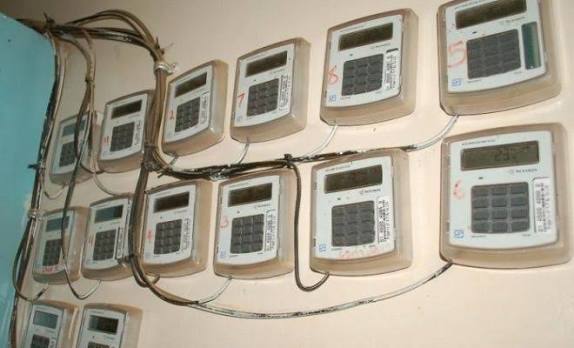
For decades, homes and businesses have depended almost entirely on Kenya Power and Lighting Company (KPLC). But rising tariffs, fuel cost adjustments, forex fluctuations, and occasional grid instability have changed the conversation.
The question is no longer: “Should I install solar?”
The real question is: “How long can I afford to remain fully dependent on grid power?”
Hybrid solar is emerging as the most financially intelligent response.
The Hidden Cost of Grid Dependence
Many property owners focus only on the monthly electricity bill. But the true cost of relying solely on grid power includes:
– Annual tariff increments
– Business disruption during outages
– Equipment damage from voltage fluctuations
– Inability to control long-term energy budgeting
– Reduced competitiveness due to high operational costs
When you project your current electricity bill over the next 10–15 years — including likely tariff increases — the total expenditure is substantial. Yet at the end of that period, you own nothing.
What Exactly Is Hybrid Solar?
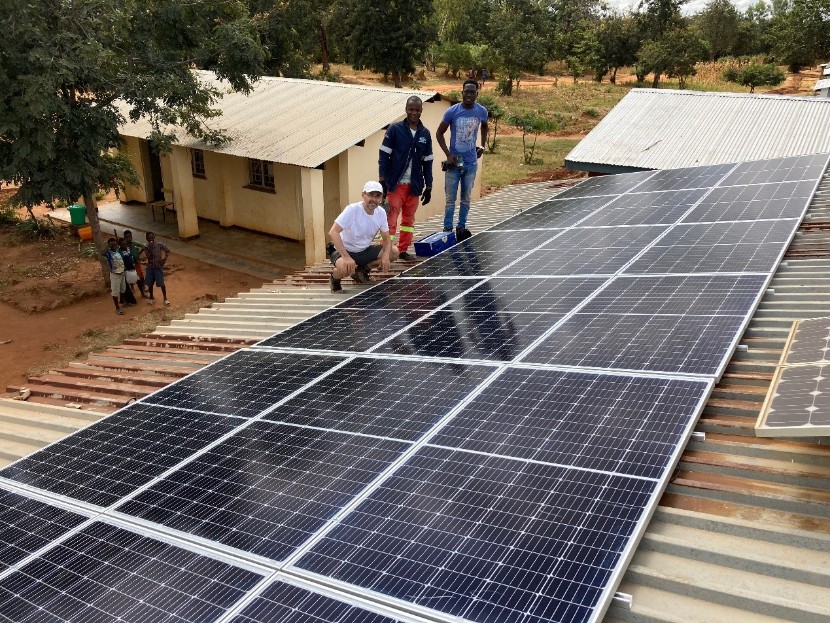
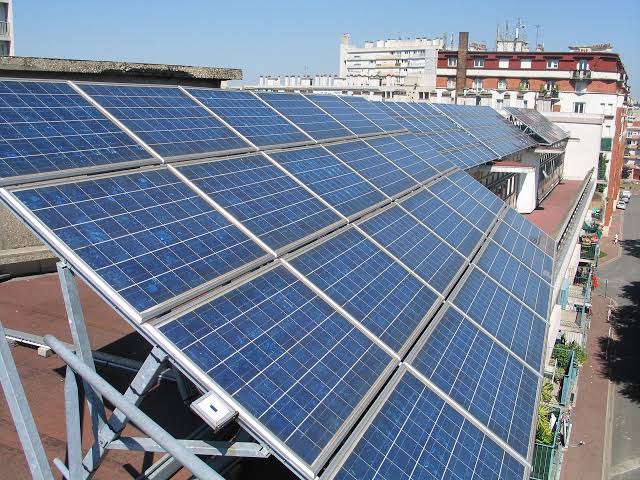
A hybrid solar system integrates three key components:
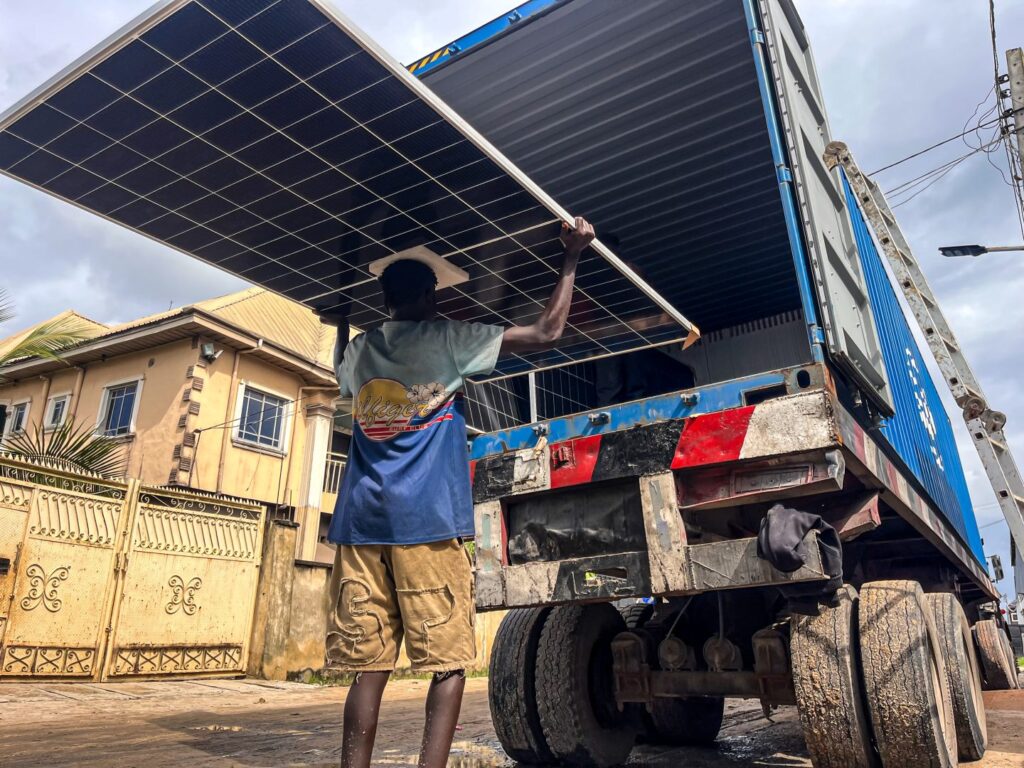
1. Solar panels (generate electricity during the day)
2. Battery storage (stores excess power)
3. Grid connection (acts as backup when needed)
Unlike off-grid systems, hybrid systems keep you connected to KPLC while significantly reducing dependence.
Why 2026 Is the Turning Point
1. Rising Electricity Tariffs
Grid electricity pricing has steadily increased over time. Hybrid solar shields you from future tariff shocks by reducing the number of units purchased from the grid.
2. Improved Battery Technology
Modern battery systems are more efficient, longer-lasting, and more affordable than previous generations.
3. Faster Return on Investment (ROI)
Many commercial clients now achieve ROI within 3–5 years depending on consumption levels.
Who Benefits Most from Hybrid Solar?
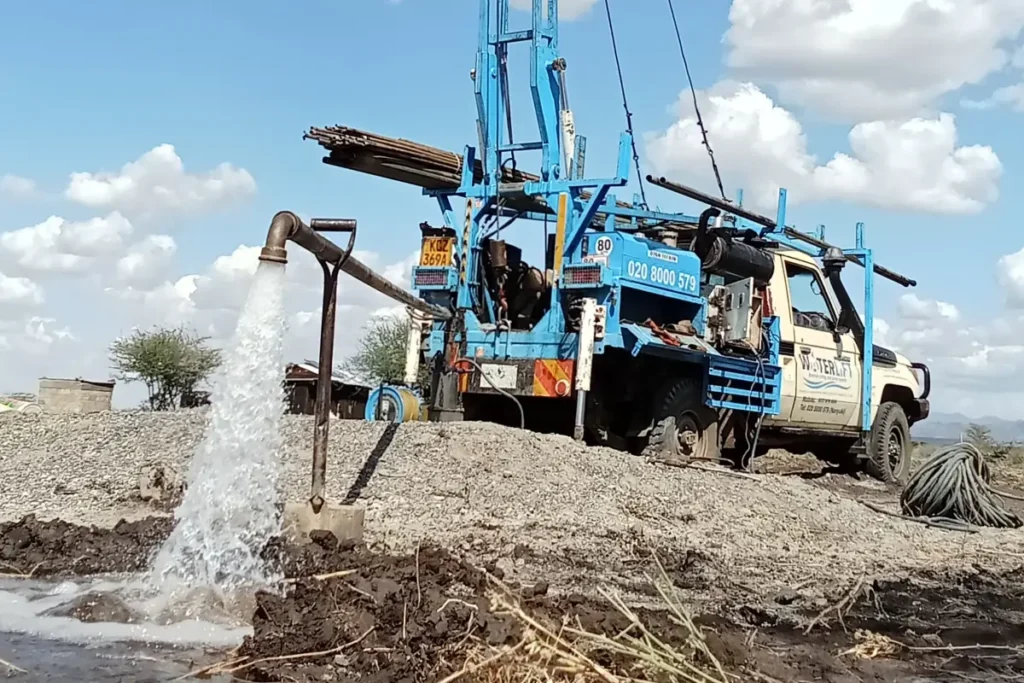
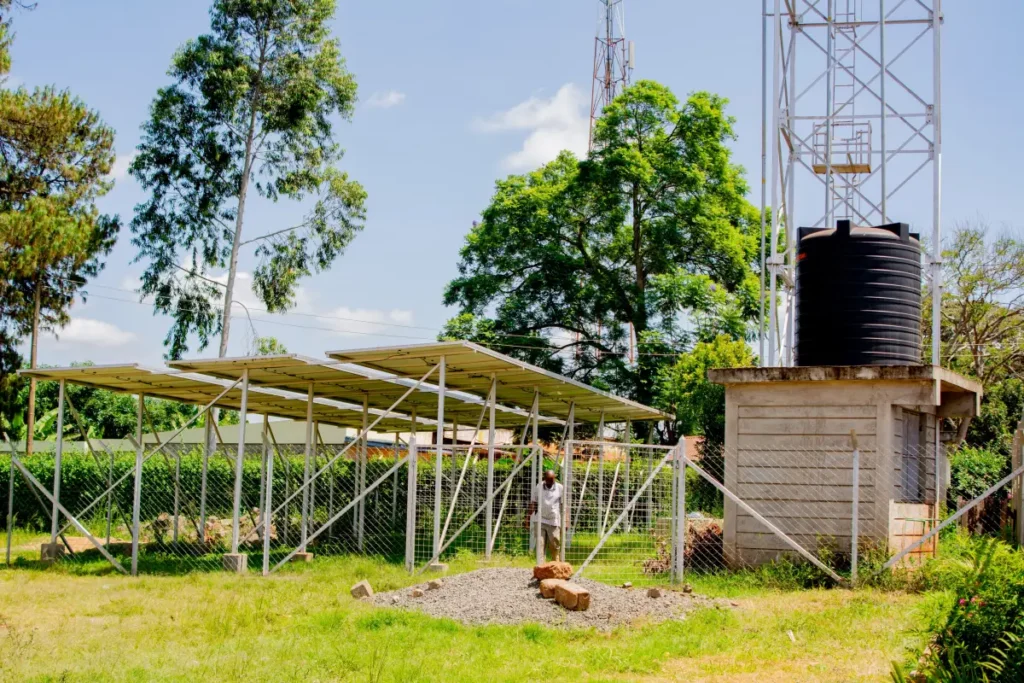
– Borehole owners and water projects
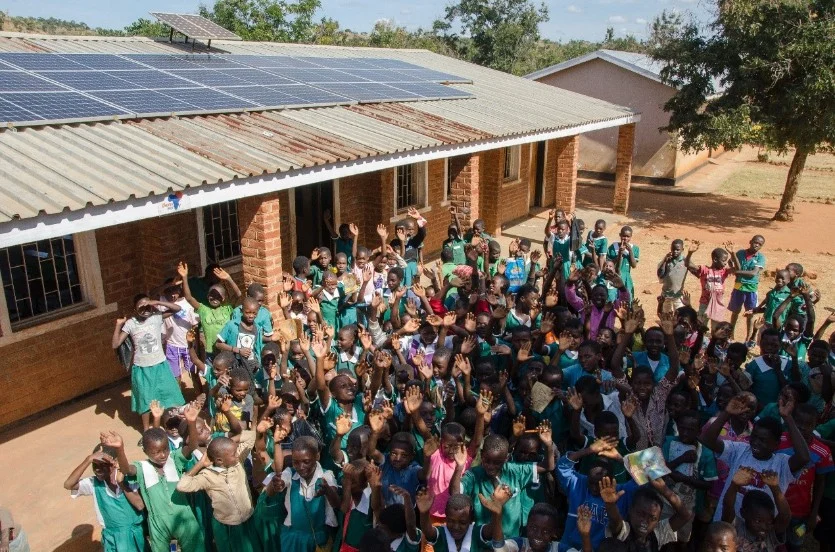
– Schools and institutions
– Agribusiness and irrigation projects
– Commercial buildings and SMEs
– High-end residential homes
Hybrid solar converts electricity from a recurring expense into a long-term asset.
Final Thought
Hybrid solar is no longer experimental. It is proven, financially rational, and strategic.
The real question is not whether hybrid solar works.
The real question is how much longer you are willing to fund rising electricity costs instead of building your own energy asset.