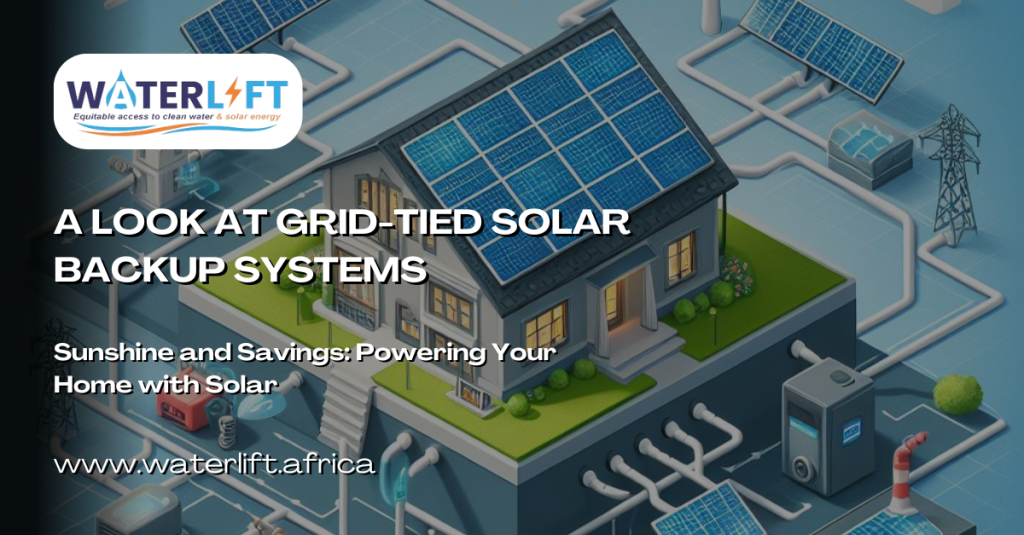
Sunshine and Savings: Power Your Home with Solar
Let’s face it, Kenyan electricity bills can be a real shocker. But what if you could take control of your energy costs and reduce your reliance on the grid, all while helping the environment? That’s the beauty of Grid-Tied Solar Backup Systems – a technology that’s gaining serious traction for Kenyans looking to go green and save some green.
Imagine this: you wake up in the morning, the sun is shining (which, let’s be honest, happens a lot in Kenya!), and your home is buzzing with clean, free energy generated by those bright rays. Sounds pretty good, right? Here’s the breakdown on how Grid-Tied Solar Backup Systems work and why they might be the perfect fit for you.
Think of it as a Sun-Powered Team Effort:
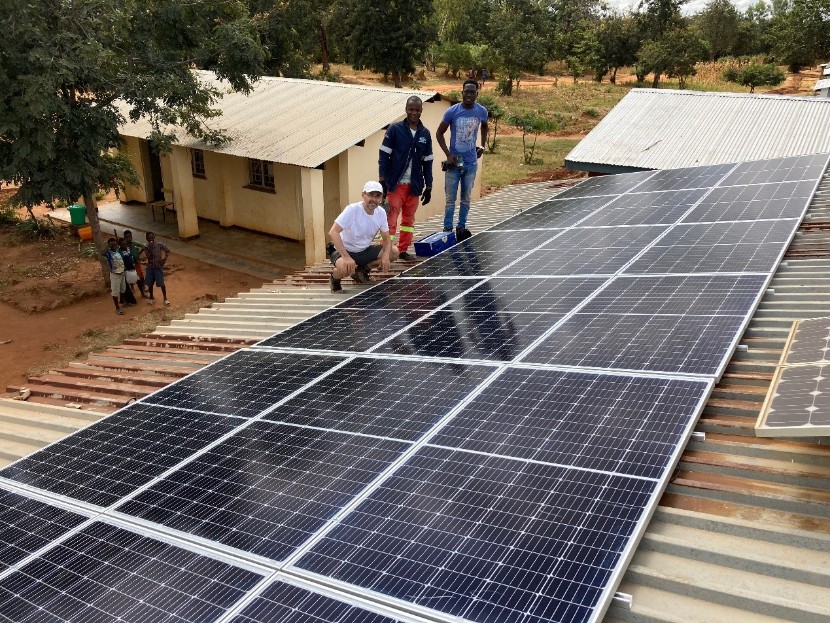
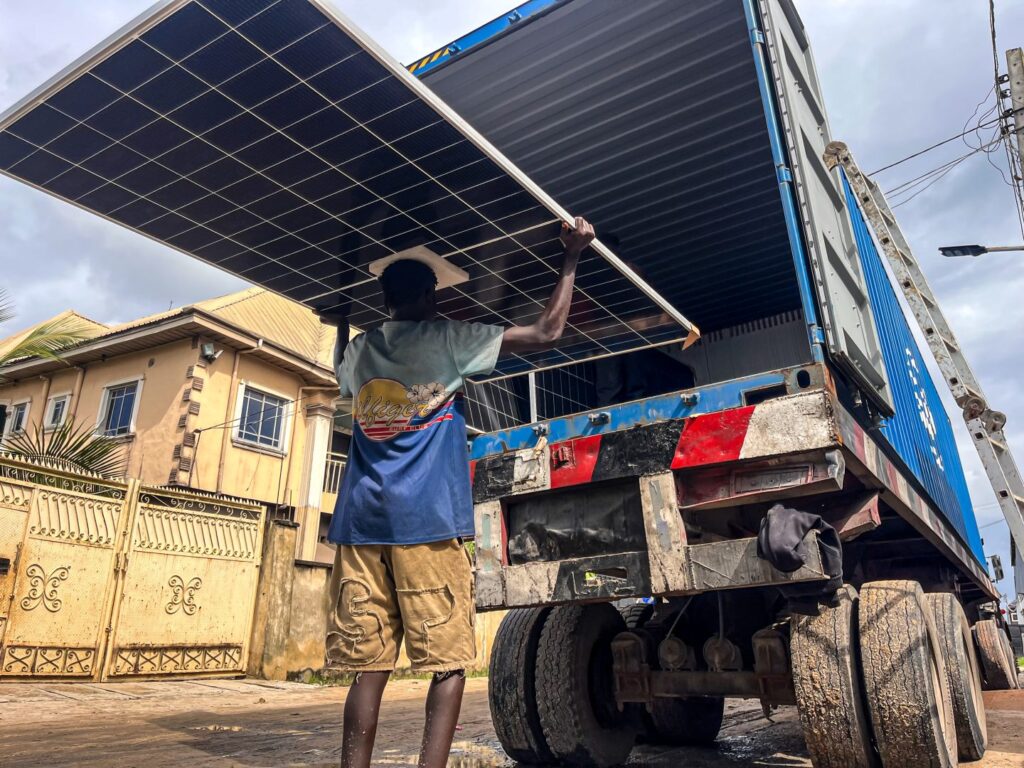
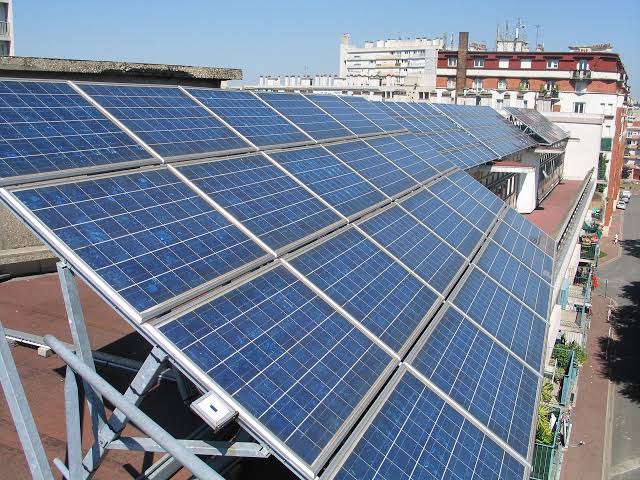
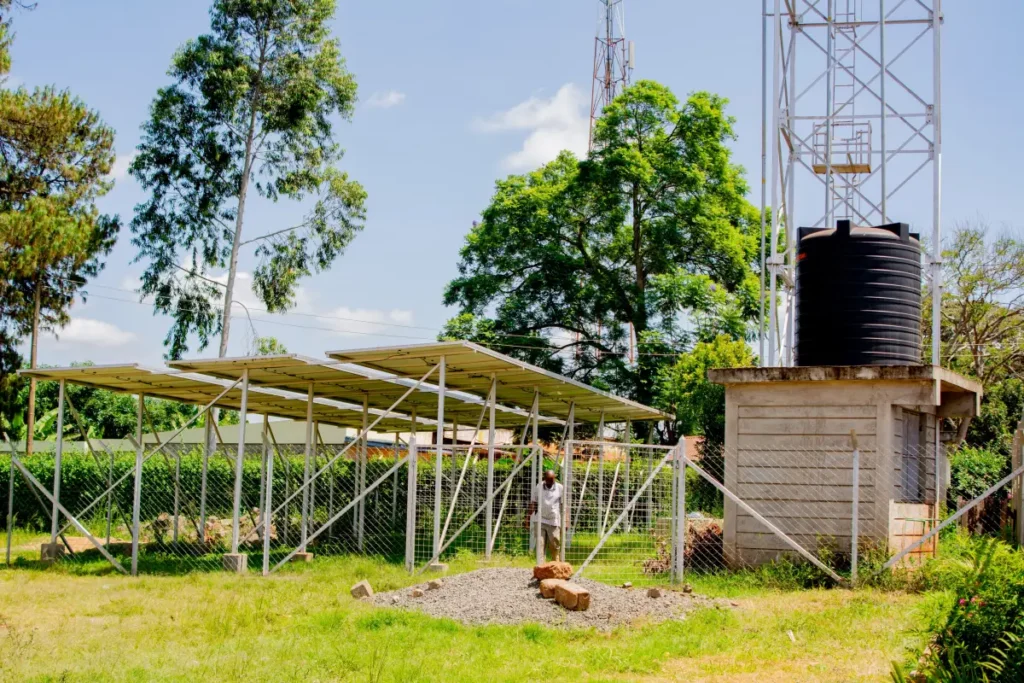
- Solar Panels: These are your sunshine superheroes, soaking up the sun’s rays and converting them into electricity.
- Inverter: This clever device acts like a translator, transforming the solar power (DC) into usable electricity for your home (AC).
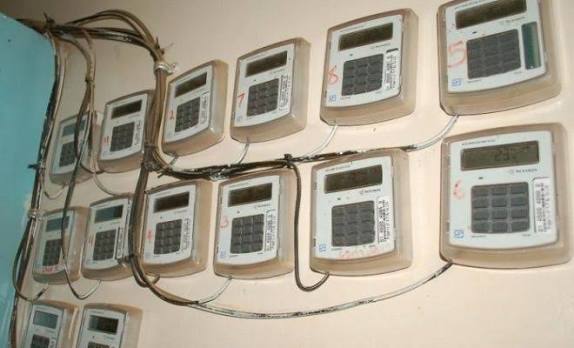
- Net Meter (Optional): This nifty gadget keeps track of the energy you use and what you send back to the grid (more on that powerhouse perk later).
Sunshine In, Savings Out:
So, how does it all work? During the day, your solar panels are busy generating electricity. Your home uses what it needs to power your lights, fridge, and all your appliances. Any extra energy that your sunshine superheroes produce gets sent back to the grid. Think of it as sharing the sun’s bounty with the community! Here’s the exciting part: many utility companies offer net metering programs. This means they credit your account for the extra power you supply, which translates to significant savings on your electricity bill. Cha-ching!
More Than Just Saving Money:
Going solar isn’t just about saving some cash (although that’s definitely a perk!). Here are some other reasons why Grid-Tied Solar Systems are a win-win:
- Become Less Reliant on the Grid: Ever feel frustrated by surprise power outages or fluctuating electricity costs? Solar power helps you become more self-sufficient, reducing your dependence on the traditional grid.
- Go Green, Feel Good: Solar energy is a clean and renewable resource. By using it, you’re reducing your carbon footprint and helping to combat climate change. Pretty cool, right?
Before You Dive into Solar:
Of course, there are a few things to consider before taking the solar plunge:
- Sizing Up Your Sunshine Needs: The size of your system depends on your energy consumption habits and budget. Don’t worry, our experts at Waterlift can help you determine the perfect fit for your home.
- Sun Seeker Status: The amount of sunlight your roof receives plays a big role. Luckily, Kenya is blessed with sunshine, so chances are you’re good to go!
- Battery Backup (Bonus Option): While not essential for grid-tied systems, battery backup can provide power during extended outages. Think of it as a solar safety net.
- Keeping it Clean: Maintaining your solar system is easy, but regular checkups are essential to ensure optimal performance.
- Financing the Future: There are financing options available to make solar power more accessible.
Let’s Talk Rules: Getting Grid-Ready
There are a few hoops to jump through to get your system up and running, but don’t worry, they’re manageable:
- Permits and Approvals: You’ll need permits to install your system. Think of these permits like official permissions to install your solar system. The specific requirements can vary depending on your location, but don’t worry – Waterlift can help you navigate the process and ensure all the necessary paperwork is in order.
- Interconnection Agreement: This is an agreement with your utility company (say KPLC for instance). It ensures a safe and seamless connection to the grid. Imagine it as a handshake with your utility company. Basically, It outlines the technical specifications for connecting your solar system to their grid, ensuring everything works safely and efficiently. This allows you to export any excess solar energy you generate and receive credits towards your electricity bill.
- Building Code Compliance: Building codes are like a rulebook for safe and proper construction. These codes ensure your solar system is installed securely and meets all safety standards. Waterlift can help you understand the relevant building codes and ensure your system adheres to them for optimal performance and safety. Make sure your system meets all local building codes. Safety first!
Seeing is Believing: The Power of Real People:
Many Kenyans are already enjoying the benefits of grid-tied solar. Imagine the satisfaction of knowing your home is powered by the sun, and your electricity bill reflects that sunshine! There are countless happy customers who are saving money and making a positive impact on the environment. You can be one of them.
The Future is Bright: Solar Power on the Rise
Solar technology is constantly evolving, becoming more efficient and affordable. Net metering policies are also being developed to encourage even wider adoption of solar power. Solar is definitely playing a starring role in the future of energy, and Kenya is well-positioned to take advantage of this clean and sustainable solution.
Ready to Harness the Power of the Sun?
At Waterlift, we’re passionate about helping Kenyans embrace solar energy. Contact us today for a free consultation and explore how solar power can empower your home and your future.
Written By Victor Kakendo
Follow us: on twitter