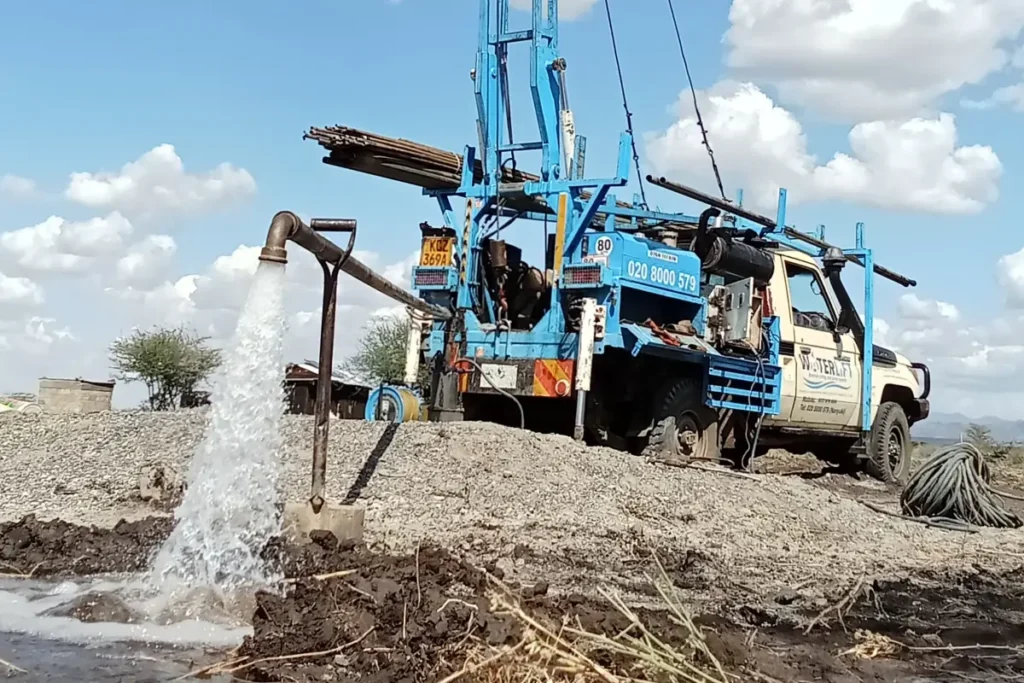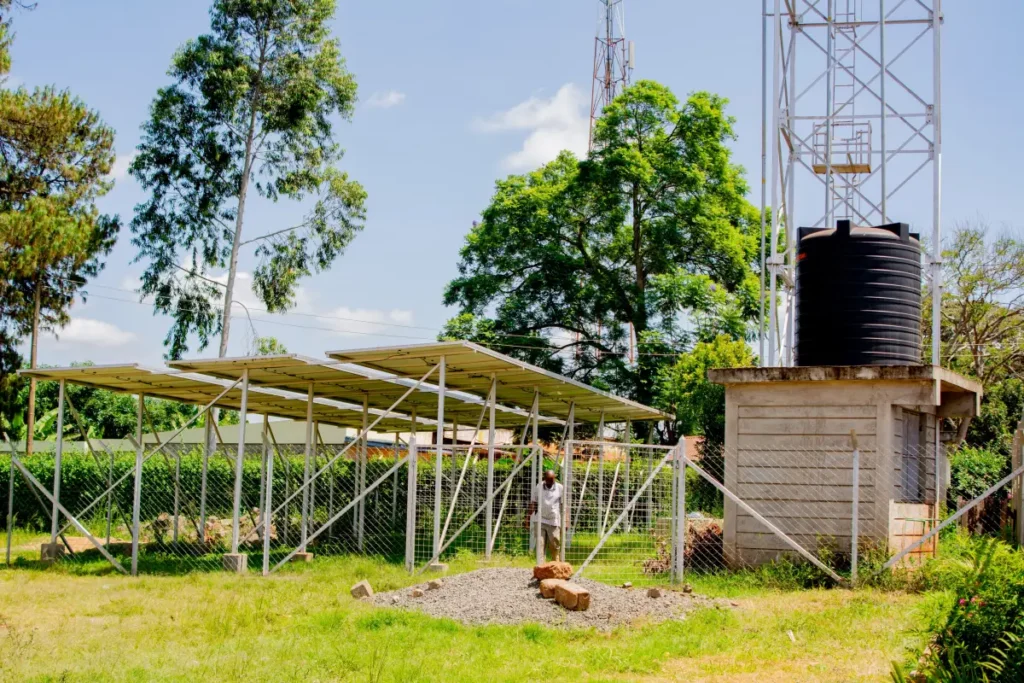
A borehole is designed to serve for decades, but over time many begin to show signs of decline such as reduced water output, increased sand content, pump inefficiency, and poor water quality.
In many cases, declining boreholes can be restored through proper rehabilitation at a fraction of the cost of drilling a new one.
What Is Borehole Rehabilitation?
Borehole rehabilitation is the process of restoring performance by removing blockages, repairing structural issues, and improving water flow into the well.
Why Boreholes Lose Yield
Common causes include:
– Clogging of screens and aquifer by fine particles
– Mineral encrustation from iron, calcium, or manganese
– Biofouling caused by bacteria
– Sand intrusion
– Over-pumping beyond sustainable yield
Signs Your Borehole Needs Rehabilitation
– Reduced water output
– Increased pumping time
– Dirty or sandy water
– Frequent pump failures
– Rising energy consumption
The Rehabilitation Process
1. Borehole Assessment
Includes video logging, water level measurement, and yield evaluation.
2. Pump Lifting
The existing pump is removed for inspection and access.
3. Mechanical Cleaning
Brushing, airlifting, or jetting removes sediments and blockages.
4. Chemical Treatment
Specialized chemicals dissolve mineral and biological deposits.
5. Flushing
Extended flushing removes loosened materials and improves clarity.
6. Test Pumping
Confirms restored yield and sustainability.
7. Pump Reinstallation
Pump is reinstalled with proper adjustments.
Cost Advantage
Rehabilitation is typically faster, less expensive, and less disruptive than drilling a new borehole.
Preventing Future Decline
– Regular maintenance
– Controlled pumping rates
– Periodic flushing
– Water quality monitoring
Conclusion
A declining borehole is not necessarily a failed one. With proper rehabilitation, many boreholes can regain performance and continue serving for years.