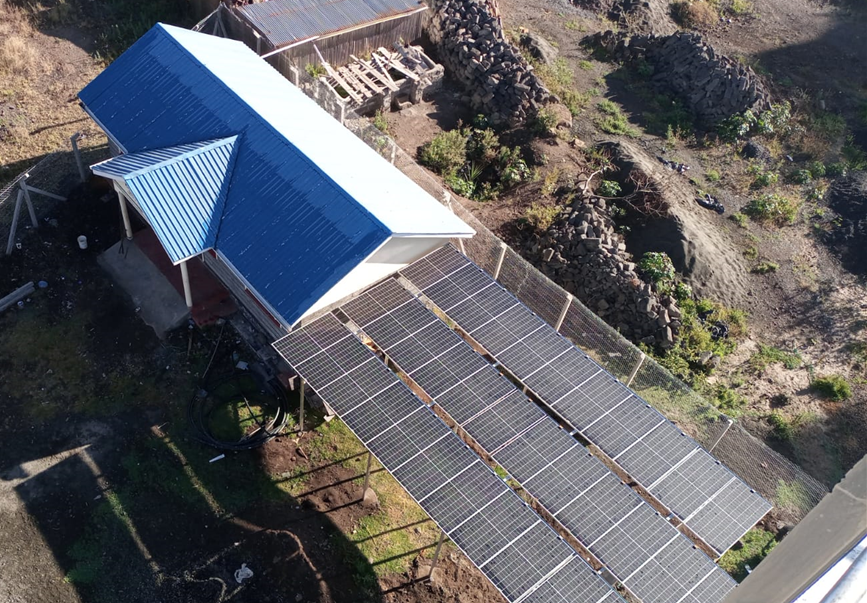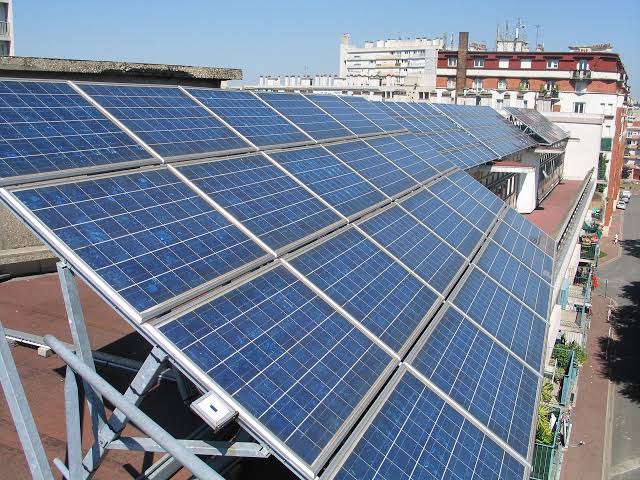
As solar adoption grows across Kenya, a new question is emerging: What happens when your solar system produces more electricity than you consume?
Net metering allows solar system owners to export surplus electricity back to the national grid, helping offset electricity costs and improve return on investment.
What Is Net Metering?
Net metering is a billing mechanism that allows you to:
– Generate electricity for self-consumption
– Export excess electricity to the grid
– Receive credits for exported units
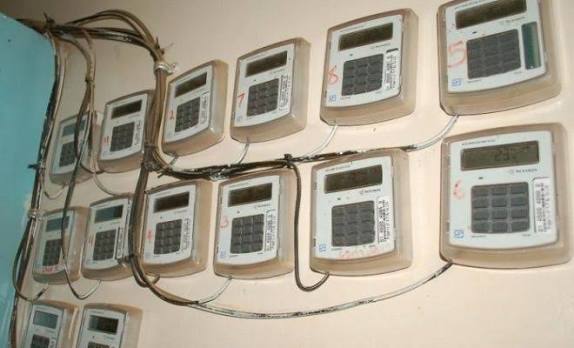
Your electricity meter records both imported and exported power. At the end of the billing cycle, you are charged only for your net consumption.
How It Works in Kenya
Net metering is regulated by the Energy and Petroleum Regulatory Authority (EPRA) and implemented in coordination with Kenya Power and Lighting Company (KPLC).
To participate, you must:
1. Install a grid-tied solar system
2. Apply for grid interconnection approval
3. Install a bi-directional (net) meter
4. Sign a net metering agreement
Once approved, your system can export surplus electricity to the grid.
Who Qualifies?
Net metering is typically available to:
– Commercial buildings
– Industrial facilities
– Institutions
– Large residential properties
System capacity limits and technical requirements apply depending on connection size.
Financial Benefits
1. Reduced Electricity Bills
Exported units offset imported units, reducing your net monthly bill.
2. Improved Solar ROI
Surplus daytime production contributes to financial returns instead of going unused.
3. Better System Sizing Flexibility
Allows installation of slightly larger systems without wasting excess generation.
Technical Requirements
Your system must:
– Use grid-compatible inverters
– Include anti-islanding protection
– Meet safety and interconnection standards
– Be installed by qualified professionals
Key Considerations
– Consumption profile (daytime usage matters)
– Regulatory compliance and approvals
– Application and inspection fees
Net Metering vs Battery Storage
Net metering exports excess power to the grid, while batteries store excess power on-site. Hybrid systems can combine both approaches.
Conclusion
Net metering transforms solar from a cost-saving solution into a strategic energy asset. If your system produces more electricity than you consume, exporting excess energy to the grid can enhance long-term financial returns and energy planning.
Net Metering in Kenya: How to Sell Your Excess Solar to the Grid